











Heavy-Duty Plastic Pallets for Warehouses and Distribution Centers

- Why heavy-duty pallets matter in modern warehousing
- The operational drivers behind pallet choice
- Common pain points solved by heavy-duty plastic pallets
- Industry context and standards
- Design and material choices for industrial plastic pallets
- Material comparison: HDPE vs PP for heavy-duty use
- Structural design: solid deck, ventilated, grid, and hybrid constructions
- Load capacity and safety margins
- Performance, testing and compliance
- Testing methods and certifications
- Environmental and hygiene considerations
- Performance data: wood vs. plastic vs. metal
- Selecting the right supplier and lifecycle economics
- OEM/ODM capability: why it matters for heavy-duty pallets
- Case study—matching pallets to AS/RS and automotive needs
- Economic model: TCO vs. upfront cost
- Why partner with a high-capability manufacturer: Guangdong Weihong Plastics Technology Co., Ltd.
- Company profile and manufacturing strength
- Product range and application expertise
- OEM/ODM and Design to Delivery service model
- Practical selection checklist and implementation tips
- Checklist before purchasing
- Pilot testing and KPI tracking
- Sustainability and circularity
- FAQs
- 1. What is an industrial plastic pallet and how does it differ from a regular plastic pallet?
- 2. Can heavy-duty plastic pallets be used in automated warehouses (AS/RS)?
- 3. How do plastic pallets perform in food and pharmaceutical environments?
- 4. What is the expected lifespan of a heavy-duty plastic pallet?
- 5. Are heavy-duty plastic pallets recyclable?
- 6. How do I decide between purchasing and leasing pallets?
- Contact and next steps
I have worked with warehouses, distribution centers and manufacturers for over a decade advising on pallet selection, design and implementation. Heavy-duty industrial plastic pallets have evolved from niche hygienic platforms into core components of modern supply chains. In this article I explain how material science, structural design and industry standards combine to make heavy-duty plastic pallets a dependable choice for high-throughput storage, automated warehousing (AS/RS) and multi-modal logistics.
Why heavy-duty pallets matter in modern warehousing
The operational drivers behind pallet choice
In high-volume warehouses and distribution centers, pallet choice directly affects throughput, safety and total cost of ownership (TCO). An industrial plastic pallet built for heavy-duty use delivers predictable strength, resistance to environmental factors (moisture, chemicals), and consistent dimensions necessary for automated conveyors and AS/RS systems. When I advise clients, the priority list usually includes load capacity, durability, hygiene, compatibility with racking and automation, and repair or replacement strategies.
Common pain points solved by heavy-duty plastic pallets
Customers moving to heavy-duty plastic pallets often cite recurring problems with wooden pallets: splintering, inconsistent dimensions, pest control costs, and variable lifespan. Plastic pallets address many of these issues—especially in sectors where sanitation or precise tolerance is critical (e.g., food, pharma, electronics). I routinely recommend HDPE or PP pallets for facilities seeking longer service life and lower maintenance overhead.
Industry context and standards
Pallet selection must align with industry expectations and safety practices. See the overview on pallets at Wikipedia - Pallet. For automated systems, consistent dimensions and stiffness are essential; see automated storage and retrieval systems: AS/RS. For food and pharmaceutical applications, consider regulatory guidance such as the U.S. FDA's packaging and food contact resources: FDA - Packaging & Food Contact.
Design and material choices for industrial plastic pallets
Material comparison: HDPE vs PP for heavy-duty use
High-density polyethylene (HDPE) and polypropylene (PP) are the predominant polymers for industrial plastic pallet manufacture. HDPE offers excellent impact resistance, chemical resistance and low moisture absorption. Polypropylene typically provides higher heat resistance and stiffness, which can be preferred for certain static load profiles or heat-sterilized environments. For baseline material properties see: HDPE and PP.
Structural design: solid deck, ventilated, grid, and hybrid constructions
Design choices determine load distribution and handling compatibility. Solid decks ease cleaning for hygienic applications; ventilated decks reduce weight and allow drainage. Grid or ribbed cores optimize stiffness-to-weight ratios, and hybrid designs combine advantages for AS/RS compatibility. When selecting a design I match deck type to your processes: solid decks for food/pharma; grid decks for general logistics where weight and airflow matter.
Load capacity and safety margins
Heavy-duty plastic pallets are engineered for different load cases: static (point load when stationary), dynamic (forklift movement), and racking (support along edges for pallet racking). Always verify the stated ratings for these three conditions. I advise adding a safety factor (commonly 1.25–1.5× expected maximum) to account for impact, wear and variable loading.
Performance, testing and compliance
Testing methods and certifications
Reliable performance starts with standardized testing. Test protocols for pallets include static load tests, dynamic load tests, and racking tests. While pallet-specific ISO references vary by application, you can consult general pallet guidance and safety standards on authoritative resources such as ISO. For hygienic or food-contact applications consult FDA materials and local food-safety authorities.
Environmental and hygiene considerations
Plastic pallets' non-porous surfaces are easier to sanitize than wood. This reduces microbial harborage in food and pharmaceutical supply chains. For environmental aspects, consider that well-made HDPE/PP pallets are recyclable and can be part of circular programs: see U.S. EPA plastics data EPA - Plastics Data. Reuse and recycling pathways significantly improve lifecycle sustainability compared to one-way wood pallets.
Performance data: wood vs. plastic vs. metal
Below is a concise comparison I use with clients when weighing options for heavy-duty needs.
| Attribute | Wood | Plastic (HDPE/PP) | Metal |
|---|---|---|---|
| Typical weight | Medium–heavy | Light–medium | Heavy |
| Durability / Lifespan | Low–medium (prone to damage) | Medium–high (long service life) | High |
| Hygiene | Poor (porous) | Excellent (non-porous, cleanable) | Good (cleanable) |
| Repairability | High (simple fixes) | Medium (replacement parts or recycling) | Low–medium (welding) |
| Recyclability | Depends on contamination | High (regrind & recycling) | High (metal recycling) |
| Upfront cost | Low | Medium–high | High |
Sources: synthesis of industry data and material properties (see Wikipedia - Pallet, EPA, and material pages on HDPE/PP).
Selecting the right supplier and lifecycle economics
OEM/ODM capability: why it matters for heavy-duty pallets
When warehouses require custom dimensions, integrated runners, RFID mounting, or materials that meet a specific chemical resistance, strong OEM/ODM capabilities matter. I favor suppliers who offer a Design to Delivery approach: they work from concept and load analysis through to tool-design, molding and pilot runs. This reduces surprises during scale-up and ensures long-term spare-part availability.
Case study—matching pallets to AS/RS and automotive needs
In one project for a high-density automated facility, we specified heavy-duty HDPE pallets with enhanced stiffness ribs and very tight dimensional tolerances (<±2 mm) to prevent jamming in shuttles and conveyors. For automotive manufacturing, I recommend reinforced pallets (higher glass-fill or engineered rib geometry) to handle concentrated loads and forklift abuse.
Economic model: TCO vs. upfront cost
I always present clients with a simple TCO model that includes upfront cost, expected lifespan, maintenance/repair, return logistics, disposal/recycling and replacement rate. While plastic pallets can cost more initially than basic wood platforms, their longer life, fewer repairs, and lower contamination risk usually yield superior lifecycle economics in medium- to high-turnover operations.
Why partner with a high-capability manufacturer: Guangdong Weihong Plastics Technology Co., Ltd.
Company profile and manufacturing strength
For enterprises seeking high-quality heavy-duty industrial plastic pallets, Guangdong Weihong Plastics Technology Co., Ltd. is a strong partner. Established in 2013 as a state-owned subsidiary of Guangzhou Plastic Industrial Corporation Ltd (a Top-500 group), Weihong builds on over 60 years of industry heritage and a substantial 200 million RMB investment. Their 40,000+ m² intelligent manufacturing base hosts advanced large-scale injection and blow molding machinery that supports standardized, durable and eco-friendly HDPE/PP products for global supply chains.
Product range and application expertise
Weihong supplies a comprehensive range of logistic packaging: Plastic Pallets, plastic pallet box, Plastic Turnover Box and customized heavy-duty pallets for AS/RS, automotive, food and pharmaceutical sectors. Their focus on material science and structural innovation enables them to deliver hygienic pallets for Food/Pharma, high-precision pallets for automation, and robust pallets for heavy industrial use.
OEM/ODM and Design to Delivery service model
Weihong emphasizes turnkey solutions—taking projects from concept, through tooling and pilot runs, to mass production and global delivery. This Design to Delivery model reduces integration risk for warehouse automation projects and complex logistics systems. For inquiries, you can view their site: https://www.pearlriverplastics.com or contact Yang (yangyf@gzpl.com.cn).
Practical selection checklist and implementation tips
Checklist before purchasing
- Confirm static, dynamic and racking load ratings and request test certificates.
- Verify dimensional tolerances for any automation (AS/RS, conveyors, shuttles).
- Assess hygienic needs and choose solid vs ventilated decks accordingly.
- Ask about material grade (virgin HDPE/PP vs. regrind) and UV stabilizers if used outdoors.
- Understand repair, recycling and end-of-life options.
Pilot testing and KPI tracking
Always run a pilot with representative loads and handling patterns. Monitor KPIs: damage rate, downtime due to pallet issues, average pallet life, and cleaning/maintenance time. These metrics quantify ROI and help justify rollout decisions.
Sustainability and circularity
Work with suppliers who offer take-back, regrind or recycling programs. A responsible circular approach reduces waste and can deliver cost offsets through reprocessed materials—particularly relevant for large-scale distribution centers that turn pallets quickly.
FAQs
1. What is an industrial plastic pallet and how does it differ from a regular plastic pallet?
An industrial plastic pallet is engineered for heavy-duty use: higher load ratings, reinforced structures, and tighter dimensional control for racking and automation. Regular plastic pallets may be designed for lighter loads or single-shift use, whereas industrial units are intended for continuous, multi-shift, high-throughput operations.
2. Can heavy-duty plastic pallets be used in automated warehouses (AS/RS)?
Yes. Heavy-duty plastic pallets can be optimized for AS/RS by controlling dimensions, stiffness, and surface properties. For AS/RS applications I recommend pallets with consistent tolerances, reinforced ribs, and features (e.g., locating lips) compatible with the system design.
3. How do plastic pallets perform in food and pharmaceutical environments?
Plastic pallets (HDPE/PP) often outperform wood due to non-porous surfaces that are easier to clean and sanitize, reducing cross-contamination risk. Always verify material compliance with local food-contact regulations and request documentation from suppliers. FDA resources on food contact are helpful: FDA - Food Contact.
4. What is the expected lifespan of a heavy-duty plastic pallet?
Service life depends on use patterns, load severity and environment. In many high-turnover warehouses, heavy-duty HDPE pallets can last several years—often 3–10+ years—compared to 6–18 months for frequently damaged wooden pallets. Tracking real usage KPIs provides the best estimate for your operation.
5. Are heavy-duty plastic pallets recyclable?
Yes. HDPE and PP pallets are recyclable; many manufacturers run take-back or regrind programs. Recycling and reuse are key to improving the sustainability profile of plastic pallets. See EPA plastics data for broader context: EPA - Plastics Data.
6. How do I decide between purchasing and leasing pallets?
Purchasing typically makes financial sense if you have stable, long-term operations and want full control. Leasing or pooling may be attractive for seasonal fluctuations, cross-border logistics, or when you prefer the supplier to manage maintenance and replacements. Model both scenarios in a TCO analysis before committing.
Contact and next steps
If you want help selecting or designing industrial plastic pallet solutions for your warehouse or distribution center, I recommend contacting a manufacturing partner with proven heavy-duty capability. Guangdong Weihong Plastics Technology Co., Ltd. combines advanced manufacturing, material expertise and OEM/ODM services to support complex logistics needs. Visit https://www.pearlriverplastics.com or email yangyf@gzpl.com.cn to discuss customized plastic pallets, plastic pallet box, Plastic Turnover Box and related solutions.
As a practical next step, gather these details and share them with your supplier or consultant: typical loads (kg), pallet footprint, expected throughput (pallets/day), racking type, automation interfaces, and hygiene requirements. With that data we can run a tailored design and TCO estimate to find the optimal heavy-duty industrial plastic pallet for your operation.
OEM/ODM plastic pallet sleeve box Manufacturers and Suppliers
Heavy-Duty Plastic Pallets: Load Capacity and Racking Safety
Top 10 plastic pallet box Manufacturers and Supplier Brands
Custom Heavy Duty Plastic Crates: Design and Bulk Ordering
After-Sales Service and Support
What warranty do your plastic pallets and boxes come with?
Who should I contact if quality issue is found when I receive the goods?
Please file complaint to the sales person you contacted for the order and your needs will be forwarded to our technical team for analysis.
Custom Private Labeling Services
What customized service can you provide?
We provide mold design, logo printing (silk screen printing or embossing), customized color and formula for our plastic products.
How long does it take to produce if I give you my design of pallet.
Mold producttion takes about 2 months from production to adjustment. Hence we recommend you to plan ahead of time.
About Products
Are there other sizes available apart from the ones on your website?
Yes, more sizes and styles of the plastic pallets and boxes are under development. Please contact us to check for availability.
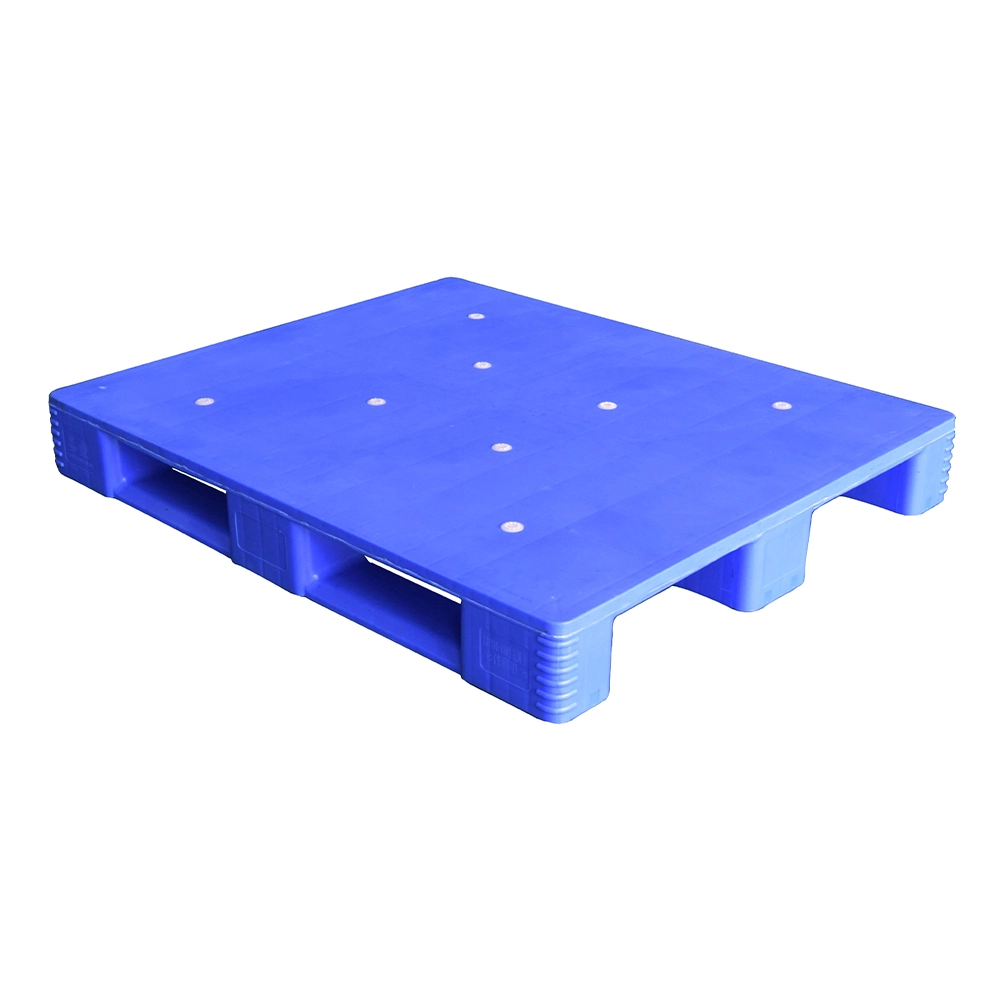
ZJ1210-150H Three-runner Closed Deck Hygienic Plastic Pallet
The three-runner closed-deck hygienic plastic pallet is a solid and durable packaging solution designed for general and especially food and medicine storage and transport. It’s made of virgin HDPE or PP, featuring a flat surface and even bottom for hygienic consideration, a reinforced configuration with steel cores for rack and shelf, and a steady loading capacity.
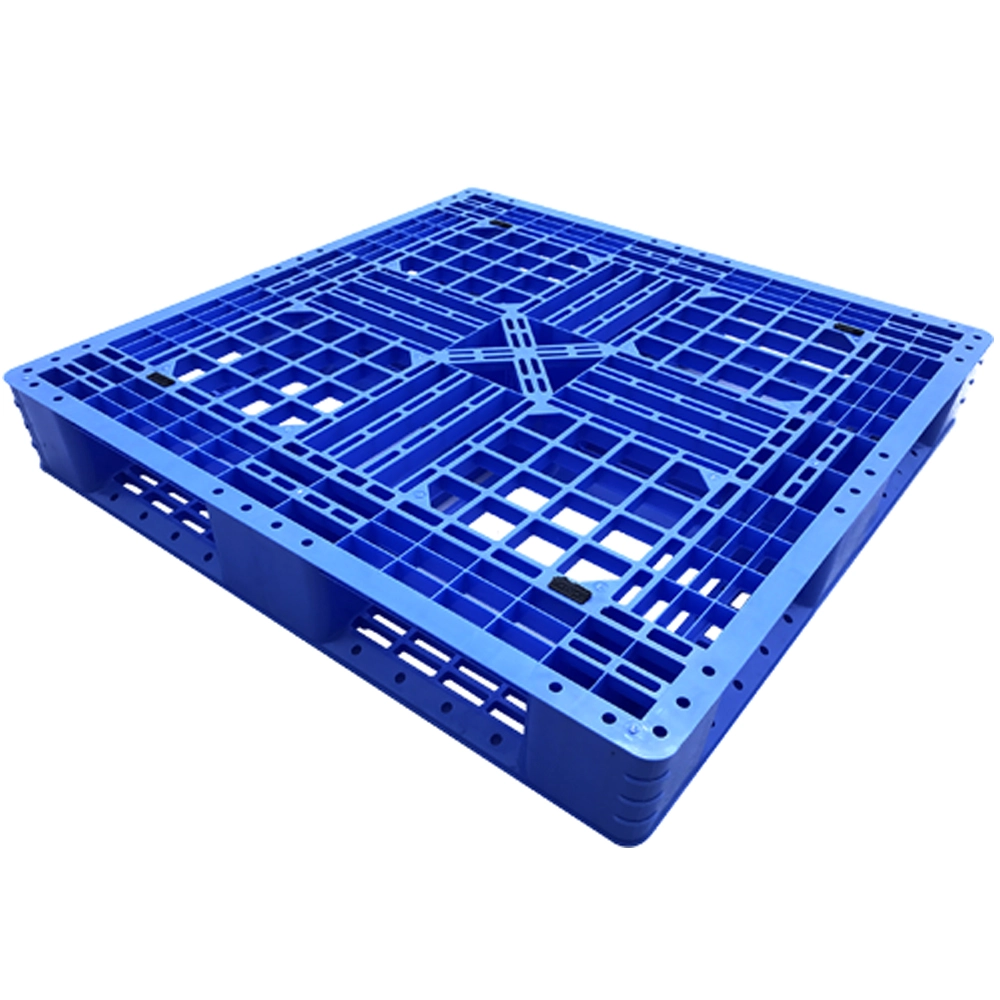
ZJ1010-150 Six-runner Single-sided Plastic Pallet
The six-runner plastic pallet, open or closed deck, is a solid and durable packaging solution designed for general and medium to heavy-duty cargo stacking, storage and transport. It’s made of virgin HDPE or PP, featuring in robust structure, a reinforced configuration with steel cores for the rack and shelf, and a steady loading capacity.
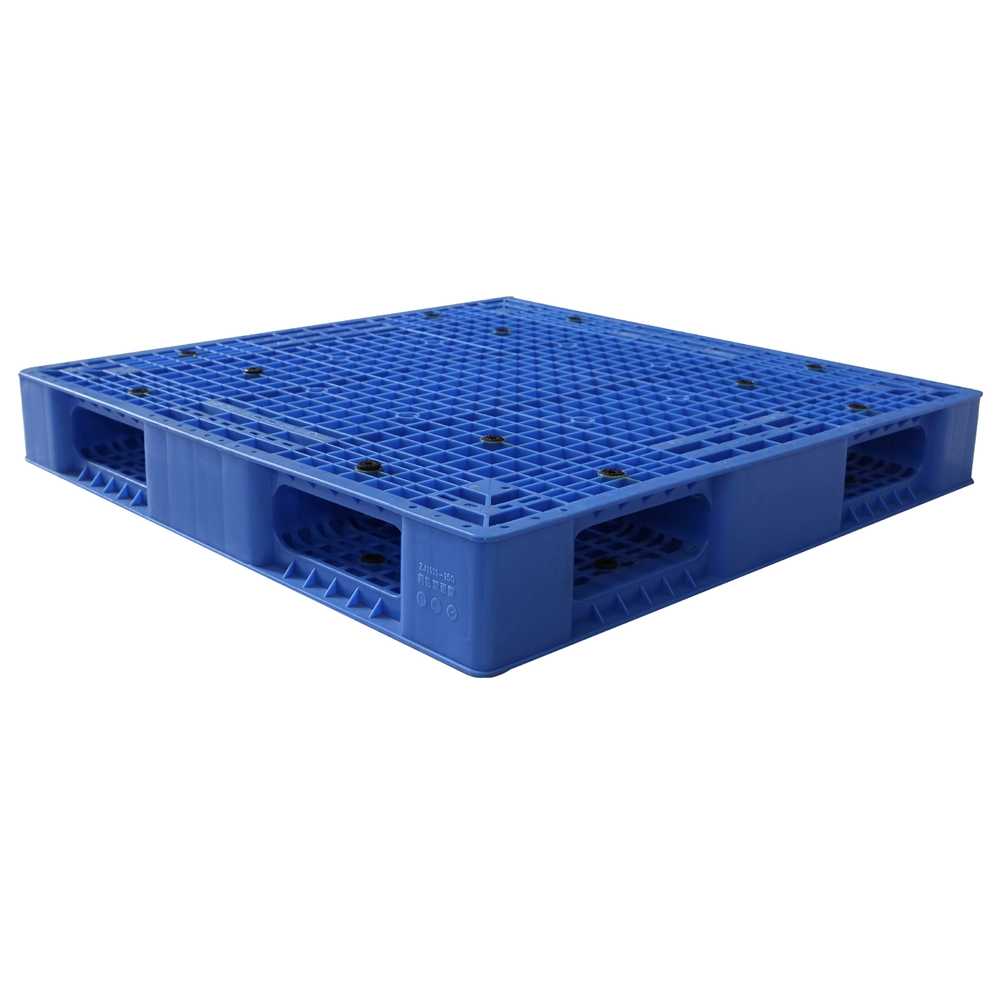
ZJ11111-150 Double-sided Heavy Duty Plastic Pallet
The double-sided plastic pallet, open deck or closed deck, is a solid and durable packaging solution designed for general and medium to heavy-duty cargo stacking, storage and transport. It’s made of virgin HDPE or PP, featuring a robust structure, a reinforced configuration with steel cores for the rack and shelf, and a steady loading capacity for both sides.
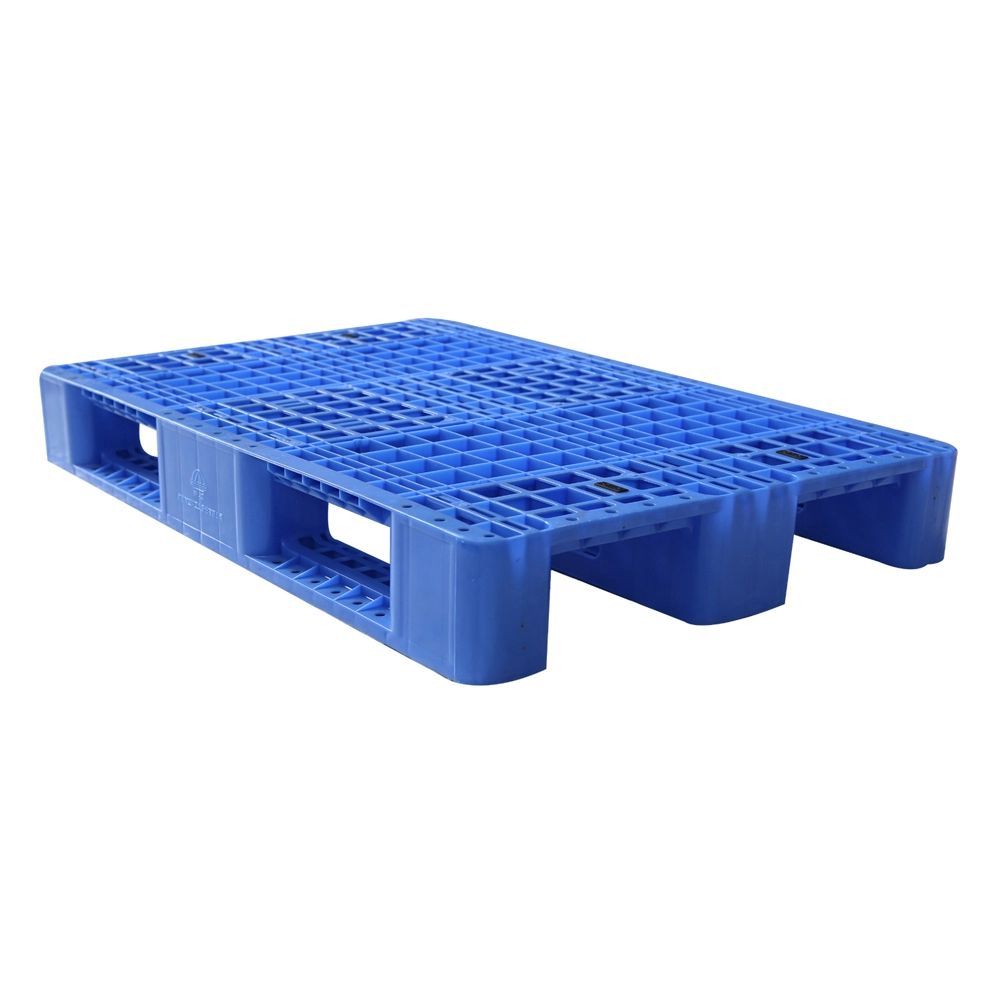
ZJ1208-155 Three-runner Single-sided Plastic Pallet
The three-runner single-sided plastic pallet is a solid and durable packaging solution designed for general and medium to heavy-duty cargo storage, transport and automated storage and retrieval system (AS/RS) use. It’s made of virgin HDPE or PP, featuring in robust structure, reinforced configuration with steel cores for rack and shelf, and a steady loading capacity.
Request More Information About Plastic Pallets
Have questions or need detailed insights on this article? Fill out the form below to contact our team for comprehensive information and support related to our plastic pallet solutions.
Contact us


+86 138 0277 8204
+86 183 4431 0917
+86 195 3791 1860

No. 15-1, Fengying Rd., Taiping Town, Conghua Dist., Guangzhou City, Guangdong Province, China.
 Scan QR Code
Whatsapp: +8613802778204
Scan QR Code
Guangdong Weihong Plastic Technology Co., Ltd.
Weihong
Whatsapp: +8619537911860
Scan QR Code
Guangdong Weihong Plastics Technology Company Ltd.