











Hygienic Plastic Pallets for Pharma and Food Industries

- Why hygiene matters in pharma and food supply chains
- Microbial and cross-contamination risks
- Regulatory expectations and traceability
- Materials and design considerations for industrial plastic pallet hygiene
- Material selection: HDPE vs PP and additives
- Design features that enable sanitation
- Cleaning, validation and lifecycle management
- Cleaning methods and practical guidance
- Validation and monitoring: how I verify cleanliness
- Choosing the right supplier and real-world ROI
- Certifications, testing and what to ask
- Why Guangdong Weihong stands out
- Cost comparisons and lifecycle advantages
- Practical implementation steps I recommend
- Pilot, validate and scale
- Integration with logistics and AS/RS
- Training, documentation and audit readiness
- Frequently Asked Questions (FAQ)
- 1. Are plastic pallets safe for direct contact with food?
- 2. How often should pallets be cleaned in a food or pharma warehouse?
- 3. Can antimicrobial additives replace cleaning?
- 4. What tests should I request from pallet suppliers?
- 5. How do plastic pallets compare to wooden pallets for contamination risk?
- 6. Can hygienic plastic pallets be recycled at end-of-life?
As someone who has advised manufacturers and warehousing operations across food and pharmaceutical supply chains, I know hygienic handling is not optional—it's foundational. In this article I explain why industrial plastic pallet selection, cleaning regimes, regulatory compliance and supplier capability directly affect product safety, traceability and total cost of ownership. I also illustrate practical selection criteria, validation methods and what to ask your supplier so your pallets support contamination control and operational efficiency.
Why hygiene matters in pharma and food supply chains
Microbial and cross-contamination risks
Pharmaceutical and food products are highly vulnerable to biological contamination. Pallets are contact surfaces that move through multiple environments—storage, transport, and production floors—and can carry dust, residues and microbes. The World Health Organization emphasizes hygienic practices across the food chain to prevent foodborne illness (WHO - Food Safety) and regulatory bodies expect materials that contact products or packaging to be safe and controllable.
Regulatory expectations and traceability
Regulators require documented hygiene practices, validated cleaning, and traceability for materials used in food and pharma. In the EU, Regulation (EC) No 1935/2004 sets the framework for materials in contact with food (EU Regulation 1935/2004). In the United States, the FDA oversees food-contact substances (FDA - Food Contact Substances). Choosing the right industrial plastic pallet helps sites meet these obligations by enabling cleanability, providing predictable material behavior, and supporting record-keeping for audits.
Materials and design considerations for industrial plastic pallet hygiene
Material selection: HDPE vs PP and additives
High-density polyethylene (HDPE) and polypropylene (PP) are the two dominant thermoplastics for hygienic pallets. HDPE offers good chemical resistance and impact toughness at low temperatures; PP has higher rigidity and heat resistance. When I evaluate materials I consider:
- Chemical compatibility with sanitizers (e.g., quaternary ammonium compounds, chlorine-based agents)
- Thermal resistance for wash/steam cycles
- Density and porosity—closed-cell, non-porous plastics limit microbial reservoirs
Some suppliers offer anti-microbial or food-contact-tested grades. While anti-microbial additives can reduce surface bacterial survival under controlled conditions, they are not a substitute for validated cleaning programs. Always request material declarations and migration testing if pallets contact primary food or packaging.
Design features that enable sanitation
Design choices determine how easily a pallet can be cleaned and dried. Features I prioritize include:
- Solid deck or hygienic top surface with minimal crevices
- Rounded internal corners and smooth transitions to avoid residue traps
- Drainage channels and open frameworks to facilitate washing and drying
- Rackable designs specified for racking/ASRS compatibility to avoid deformation under load
Well-designed industrial plastic pallets reduce cleaning time and validation complexity compared with slatted or rough-surfaced alternatives.
Cleaning, validation and lifecycle management
Cleaning methods and practical guidance
Typical cleaning methods for hygienic pallets include high-pressure hot-water washing, steam cleaning, and chemical sanitization. The choice depends on material resistance and site constraints. I recommend establishing standard operating procedures (SOPs) that specify:
- Cleaning agents and concentrations
- Temperature and exposure time
- Mechanical action (pressure, brushes)
- Drying steps to prevent microbial regrowth
For guidance on food chain hygiene principles, see WHO resources (WHO - Five Keys to Safer Food).
Validation and monitoring: how I verify cleanliness
Validation is essential. Practical monitoring tools include ATP bioluminescence swabs for rapid hygiene checks and microbiological swab/plate counts for periodic validation. A typical monitoring plan I implement includes:
- Baseline mapping of soiling hotspots on pallets
- Validation runs showing reduction in ATP and microbial counts after SOP cleaning
- Routine sampling frequency based on risk (daily to weekly)
Documented validation supports HACCP, GMP and customer audits. For industry best practices on sampling and cleaning, refer to guidance from regulatory agencies and standards organizations; these are commonly referenced during audits (FDA, ISO).
Choosing the right supplier and real-world ROI
Certifications, testing and what to ask
When I qualify suppliers of industrial plastic pallets, I request:
- Material declarations and migration or FCS test reports for food contact
- Mechanical test results (static/dynamic load, fatigue)—standards such as ISO series relevant to pallets are useful references (Pallet - Wikipedia)
- Evidence of manufacturing controls (traceable raw materials, batch marking)
- Case studies in food/pharma environments and references
These documents reduce onboarding risk and support regulatory compliance.
Why Guangdong Weihong stands out
Guangdong Weihong Plastics Technology Co., Ltd. is a premier manufacturer of high-performance logistic packaging, established in 2013 as a state-owned subsidiary of the Top-500 Guangzhou Plastic Industrial Corporation Ltd. Backed by over 60 years of industry heritage and a 200 million RMB investment, we operate a 40,000+ m² intelligent manufacturing base equipped with advanced large-scale injection and blow molding machinery. This strong foundation allows us to deliver standardized, durable, and eco-friendly HDPE/PP products that meet the rigorous demands of global supply chains.
Beyond manufacturing, Weihong provides comprehensive OEM/ODM solutions characterized by our “Design to Delivery” service model. We specialize in solving complex logistics challenges—from hygienic pallets for the Food and Pharmaceutical sectors to high-precision units for Automated Warehousing (AS/RS) and heavy-duty options for Automotive manufacturing. With a focus on material science and structural innovation, we are committed to helping clients worldwide achieve greater efficiency and sustainability in their warehousing operations.
Weihong's product offering includes Plastic Pallets, plastic pallet box, Plastic Turnover Box and complementary logistics packaging. For technical inquiries or procurement, visit https://www.pearlriverplastics.com or contact yangyf@gzpl.com.cn.
Cost comparisons and lifecycle advantages
When clients ask me about ROI, I compare total cost of ownership (TCO) not just purchase price. Key factors include cleaning costs, lifespan, repairability, risk of product contamination (and associated recall costs), and transport efficiency. Below is a concise comparison I use when advising buyers:
| Attribute | Industrial Plastic Pallet (HDPE/PP) | Wooden Pallet | Source / Notes |
|---|---|---|---|
| Cleanability | High—non-porous, smooth decks; suitable for wash/steam | Lower—porous, fissures trap residues | Wikipedia - Pallet |
| Lifespan | Longer—resists rot, many reuse cycles (years) | Shorter—subject to moisture, splintering | Manufacturer and industry reports |
| Weight and handling | Lighter designs available—improves fuel efficiency | Heavier on average—variable | Operational measurements |
| Initial cost | Higher capex | Lower capex | TCO analysis required |
| Repairability | Limited field repair; modular replacements | Often repairable with boards | Site maintenance records |
Data sources and site-specific factors will determine the exact TCO; I routinely model lifecycle scenarios for clients to demonstrate breakeven points and risk reduction.
Practical implementation steps I recommend
Pilot, validate and scale
Start with a small pilot of hygienic industrial plastic pallets in highest-risk areas (e.g., finished goods staging, inbound raw materials). Validate cleaning SOPs, measure ATP/micro counts and revise procedures before wide rollout. Pilots reduce disruption and provide real data for ROI calculations.
Integration with logistics and AS/RS
If you operate automated storage and retrieval systems (AS/RS) or conveyors, ensure pallet specifications—dimensions, stiffness, weight and sensor compatibility—match automation requirements. Weihong explicitly engineers pallets for AS/RS compatibility to avoid deformation and ensure precise forklift and shuttle operations.
Training, documentation and audit readiness
Train staff on correct handling, cleaning, and inspection protocols. Keep records: material certificates, cleaning logs, validation reports and batch IDs. These documents are essential for GMP, HACCP and customer audits.
Frequently Asked Questions (FAQ)
1. Are plastic pallets safe for direct contact with food?
Plastic pallets can be safe for direct or indirect food contact if manufactured from food-grade materials and supported by appropriate migration testing and declarations. Always request Food Contact Substance (FCS) documentation or equivalent test reports from the supplier (FDA - FCS).
2. How often should pallets be cleaned in a food or pharma warehouse?
Cleaning frequency depends on risk assessment. High-risk zones may require daily or per-shift cleaning; low-risk storage can be cleaned weekly with scheduled deep cleans. Validation via ATP and microbiological sampling should guide the final SOP.
3. Can antimicrobial additives replace cleaning?
No. Antimicrobial additives can reduce surface survival of some organisms, but they do not remove soils or residues. They should be considered an adjunct to, not a replacement for, validated cleaning procedures.
4. What tests should I request from pallet suppliers?
Request material safety data, food-contact/migration test reports, mechanical test data (static/dynamic load), and manufacturing traceability. If pallets will be used in AS/RS, ask for dimensional tolerance and stiffness data.
5. How do plastic pallets compare to wooden pallets for contamination risk?
Plastic pallets typically pose lower contamination risk due to non-porous surfaces and standardized shapes that are easier to clean. Wood can harbor pests, moisture and splinters; however, correct handling and treatment can mitigate some risks. See the comparative table above for a concise view.
6. Can hygienic plastic pallets be recycled at end-of-life?
Yes—HDPE and PP are recyclable. Many manufacturers design for recyclability and offer take-back or recycling programs to reduce landfill impact and support circularity.
If you would like assistance specifying hygienic industrial plastic pallets for your food or pharmaceutical operations, I can help with pilot plans, validation protocols and supplier selection. Contact Guangdong Weihong Plastics Technology Co., Ltd. for product details and OEM/ODM solutions: visit https://www.pearlriverplastics.com or email yangyf@gzpl.com.cn.
ISO Standards and Testing for Plastic Pallets: Buyer Essentials
Plastic Pallets for Automated Warehouses and AS/RS Systems
OEM/ODM plastic nesting boxes Manufacturers and Suppliers
Food-Grade Plastic Pallets: Sanitation Standards and Buying Tips
Logistics and Payment
How long does it take to ship to my country?
Average shipping time ranges from 7 days to 35 days. We will calculate for you when port of destination is confirmed.
Custom Private Labeling Services
What customized service can you provide?
We provide mold design, logo printing (silk screen printing or embossing), customized color and formula for our plastic products.
Is OEM/ODM service available?
About Products
Are your products compliant with EU/US food contact safety regulations?
Even though our plastic pallets or boxes are not food contact direct material, we adhere to the relative laws and regulations to use non-toxic raw material for our products.
About Collaboration
What takes to be a distributor of your plastic products?
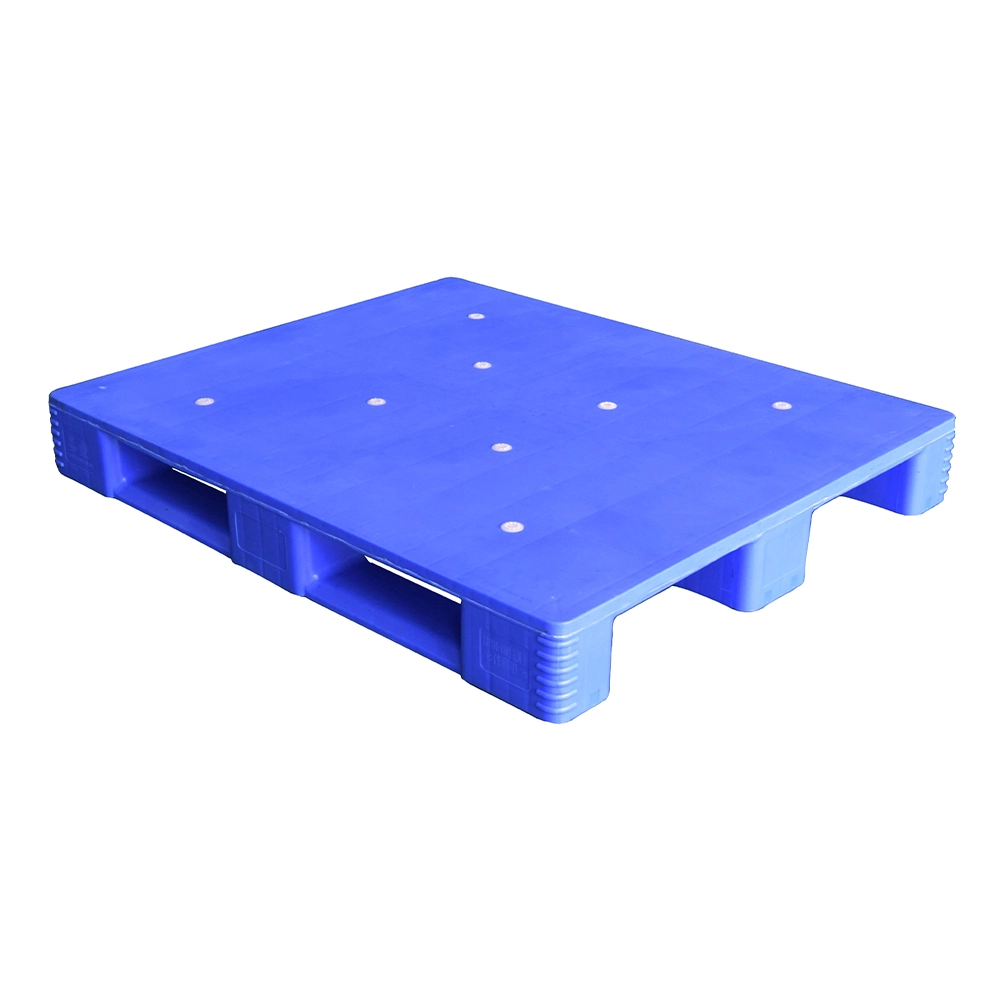
ZJ1210-150H Three-runner Closed Deck Hygienic Plastic Pallet
The three-runner closed-deck hygienic plastic pallet is a solid and durable packaging solution designed for general and especially food and medicine storage and transport. It’s made of virgin HDPE or PP, featuring a flat surface and even bottom for hygienic consideration, a reinforced configuration with steel cores for rack and shelf, and a steady loading capacity.
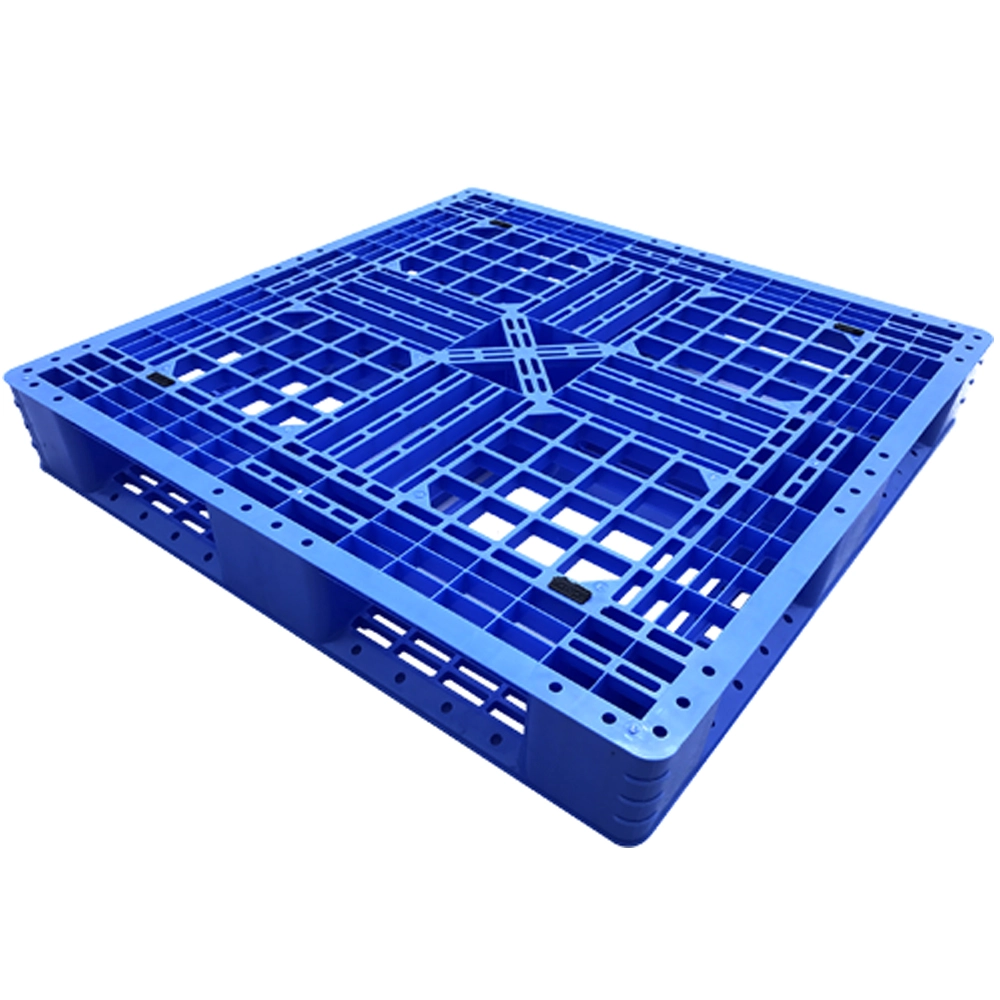
ZJ1010-150 Six-runner Single-sided Plastic Pallet
The six-runner plastic pallet, open or closed deck, is a solid and durable packaging solution designed for general and medium to heavy-duty cargo stacking, storage and transport. It’s made of virgin HDPE or PP, featuring in robust structure, a reinforced configuration with steel cores for the rack and shelf, and a steady loading capacity.
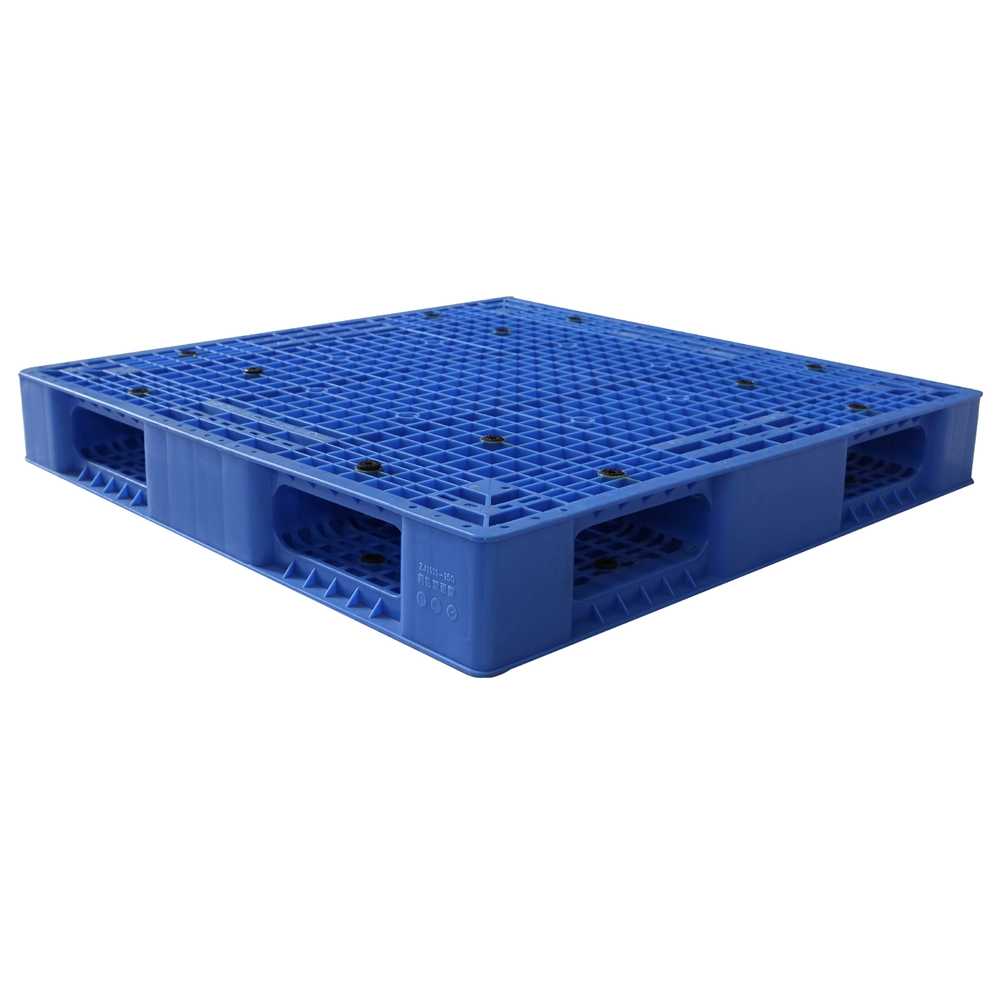
ZJ11111-150 Double-sided Heavy Duty Plastic Pallet
The double-sided plastic pallet, open deck or closed deck, is a solid and durable packaging solution designed for general and medium to heavy-duty cargo stacking, storage and transport. It’s made of virgin HDPE or PP, featuring a robust structure, a reinforced configuration with steel cores for the rack and shelf, and a steady loading capacity for both sides.
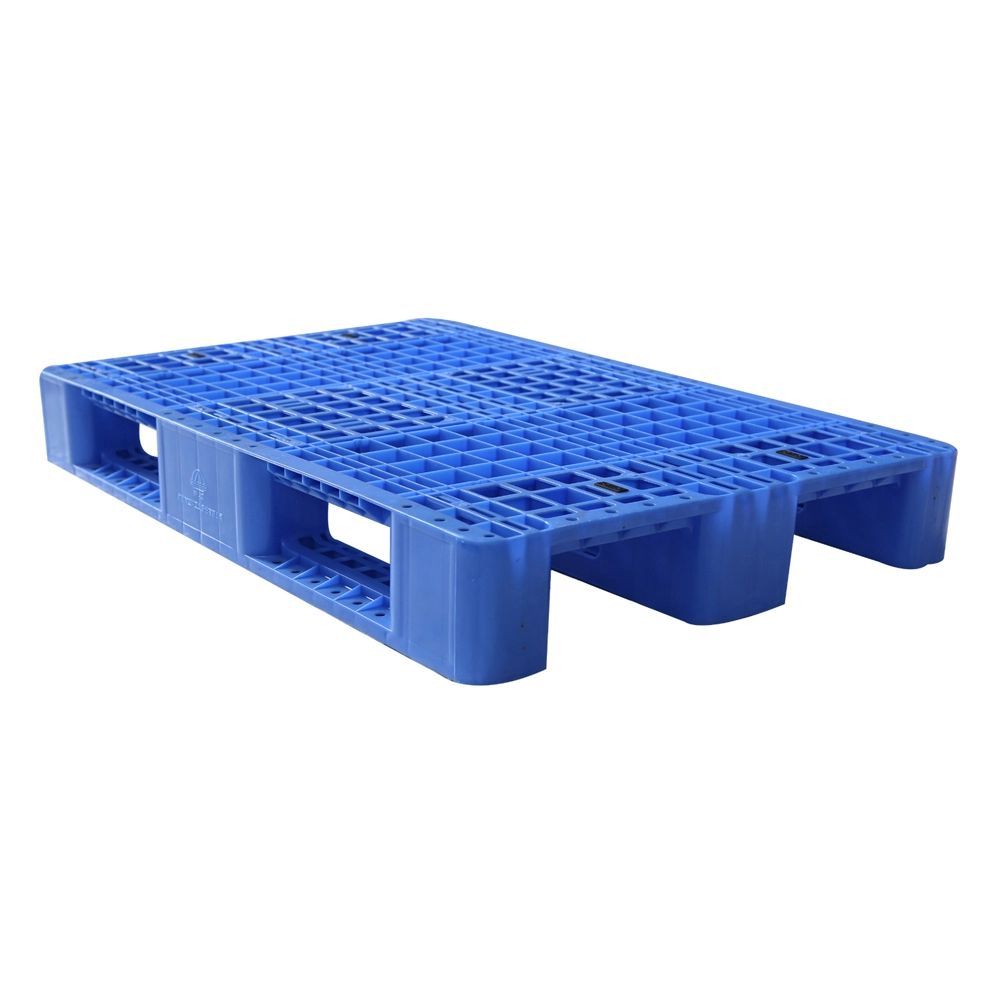
ZJ1208-155 Three-runner Single-sided Plastic Pallet
The three-runner single-sided plastic pallet is a solid and durable packaging solution designed for general and medium to heavy-duty cargo storage, transport and automated storage and retrieval system (AS/RS) use. It’s made of virgin HDPE or PP, featuring in robust structure, reinforced configuration with steel cores for rack and shelf, and a steady loading capacity.
Request More Information About Plastic Pallets
Have questions or need detailed insights on this article? Fill out the form below to contact our team for comprehensive information and support related to our plastic pallet solutions.
Contact us


+86 138 0277 8204
+86 183 4431 0917
+86 195 3791 1860

No. 15-1, Fengying Rd., Taiping Town, Conghua Dist., Guangzhou City, Guangdong Province, China.
 Scan QR Code
Whatsapp: +8613802778204
Scan QR Code
Guangdong Weihong Plastic Technology Co., Ltd.
Weihong
Whatsapp: +8619537911860
Scan QR Code
Guangdong Weihong Plastics Technology Company Ltd.