











Stacking, Handling and Storage of Double-sided Plastic Pallets

- Why choose a double-sided plastic pallet?
- Design advantages and applications
- Material choices: HDPE vs PP and blends
- Hygiene and compliance considerations
- Stacking: load capacity, patterns and safety
- Static vs dynamic vs racking loads
- Stacking patterns and load distribution
- Typical capacity guidance and inspection
- Handling: forklifts, conveyors and automation
- Forklift entry, orientation and safety
- Conveyor systems and automation (AS/RS) integration
- Damage prevention and ergonomics
- Storage: environment, optimization and lifecycle management
- Environmental and chemical resistance
- Space optimization and stacking systems
- Maintenance, repair and end-of-life
- Comparative overview: double-sided plastic pallet vs alternatives
- Testing, standards and verification
- Standards and test methods
- On-site validation tests I use
- Key performance indicators (KPIs)
- Manufacturer insights: Guangdong Weihong Plastics Technology Co., Ltd.
- Practical checklist for procurement and operations
- Frequently Asked Questions (FAQ)
- 1. What is the difference between double-sided and single-sided plastic pallets?
- 2. How do I verify the racking capacity of a double-sided plastic pallet?
- 3. Are double-sided plastic pallets suitable for automated storage systems (AS/RS)?
- 4. How should I clean and sanitize plastic pallets used in food distribution?
- 5. What is the expected service life of a double-sided plastic pallet?
- 6. Can plastic pallets be repaired?
- Contact and next steps
I work daily with logistics teams, warehouse engineers and supply chain managers to optimize the lifecycle of double-sided plastic pallets. In this guide I combine field experience, industry standards and manufacturer best practices so you can select, test, stack and store double-sided plastic pallets safely and efficiently—whether for food, pharmaceutical, automotive or automated warehousing applications. I reference standards and authoritative sources to make recommendations verifiable and actionable.
Why choose a double-sided plastic pallet?
Design advantages and applications
Double-sided plastic pallets provide two usable faces and consistent deck geometry on both sides, which increases flexibility in load orientation and handling. In my experience, this design reduces pallet rotation tasks on conveyors and minimizes manual intervention in cross-docking. Typical applications include hygienic supply chains (food and pharma), automated warehouses (AS/RS), and heavy-duty closed-loop logistics where repeatable performance is critical. For background on pallet types and global usage, see the Wikipedia pallet overview.
Material choices: HDPE vs PP and blends
Most double-sided plastic pallets are produced from high-density polyethylene (HDPE), polypropylene (PP), or engineered blends. HDPE offers good impact resistance and is widely used where cold resistance and durability are priorities; PP often provides higher stiffness and heat resistance. I typically recommend HDPE for chilled or frozen distribution and PP/HDPE blends for heavier static loads or higher-temperature operations. For material properties, see PlasticsEurope (PE properties).
Hygiene and compliance considerations
Double-sided plastic pallets are easier to sanitize than wooden pallets and reduce contamination risk due to closed or smooth deck surfaces. For food-contact and hygiene compliance, consult regulatory guidance like the U.S. Food and Drug Administration on food-contact materials (FDA Food Contact Substances). I advise clients in regulated industries to request material certifications and traceability documentation from manufacturers.
Stacking: load capacity, patterns and safety
Static vs dynamic vs racking loads
Understanding how loads are defined is the first step to safe stacking. Static load (stacked, stationary), dynamic load (during transport or forklift movement) and racking load (supported only at stringers/edges) differ significantly. Double-sided plastic pallets often offer robust static capacities but reduced racking capacity versus wooden or steel alternatives unless specifically reinforced. ISO standards and test methods describe appropriate load testing; see ISO standards for pallet load testing for methodology and definitions.
Stacking patterns and load distribution
When stacking pallets, distribute load uniformly across the deck. I recommend using interleaving or column stacking strategies depending on product stability. For mixed-height loads, use slip sheets or stabilizing corners. For unit loads that will be stacked high, verify that pallet deformation under static load will not compromise product integrity or forklift stability.
Typical capacity guidance and inspection
Capacity varies by pallet design. Rather than relying on generic numbers, always consult the manufacturer's rated static/dynamic/racking capacities and require test certificates. Where certificates are unavailable, perform a practical test: measure deck deflection under a known load and compare to acceptance criteria derived from ISO test procedures. Regular visual inspections for cracking, warping or rib fatigue should be part of your SOP.
Handling: forklifts, conveyors and automation
Forklift entry, orientation and safety
Double-sided plastic pallets commonly have 4-way entry and a symmetric design, simplifying handling orientation for forklifts. I coach operators to confirm fork spacing and entry depth before lifting. Use pallet stoppers or guides on forklifts in high-throughput environments to prevent side-slips. For safety standards and operator training references, see national workplace safety guidelines and equipment manuals.
Conveyor systems and automation (AS/RS) integration
When integrating double-sided plastic pallets into conveyors and automated storage/retrieval systems (AS/RS), consistent pallet geometry and predictable friction characteristics are essential. I always validate pallet flatness and runner dimensions under dynamic conditions to avoid misfeeds. For design considerations around automated handling, refer to general AS/RS design principles: AS/RS overview.
Damage prevention and ergonomics
Plastic pallets may crack under concentrated impacts. To reduce damage, protect leading edges with bumper strips in automated lanes, ensure fork tips are aligned, and avoid over-torquing when rotating loads. From an ergonomic perspective, double-sided pallets make manual rotation easier and reduce repetitive repositioning tasks, lowering musculoskeletal risks.
Storage: environment, optimization and lifecycle management
Environmental and chemical resistance
Plastic pallet performance can be affected by temperature extremes, UV exposure and aggressive chemicals. HDPE performs well at low temperatures; PP offers better heat resistance. For outdoor storage, select UV-stabilized formulations. If pallets are exposed to cleaning agents or solvents, validate chemical compatibility with the supplier's material data sheets.
Space optimization and stacking systems
Double-sided plastic pallets can be designed to be stackable or nestable depending on ribbing and deck geometry. Stackable designs maximize loaded storage density; nestable designs save space when empty. I often recommend a mixed strategy for busy operations: use stackable pallets for shelving and nestable pallets for return logistics to optimize truck and warehouse space.
Maintenance, repair and end-of-life
Establish a maintenance plan: regular cleaning, visual inspections, and clear criteria for retirement (e.g., cracks exceeding a threshold, dimensional distortion). Many plastic pallets are fully recyclable; work with suppliers who provide take-back or recycling programs. Lifecycle assessments show plastic pallets often have favorable repeat-use environmental profiles in closed-loop systems—verify with manufacturer LCA data when sustainability claims are used.
Comparative overview: double-sided plastic pallet vs alternatives
| Attribute | Double-sided Plastic Pallet | Single-sided Plastic Pallet | Wooden Pallet |
|---|---|---|---|
| Hygiene / Washability | High (smooth decks, easy to sanitize) | Medium | Low (porous, retains moisture) |
| Consistency / Dimensional Tolerance | High | High | Variable |
| Racking Performance | Medium (depends on reinforcement) | Variable | High (if designed for racking) |
| Empty Storage Efficiency | Lower if stackable; higher if nestable | Often nestable; efficient | Poor |
| Recyclability | High (thermoplastic recyclable) | High | Moderate (repaired or ground) |
Sources: industry materials and general pallet references such as Wikipedia and manufacturer datasheets. Actual performance depends on specific model and material specs.
Testing, standards and verification
Standards and test methods
Adopt established testing methods for repeatable results. ISO describes relevant pallet testing procedures (see ISO test standards). For food-related uses, follow regulatory guidance like the FDA Food Contact guidance. Use third-party labs for independent validation where asset criticality is high.
On-site validation tests I use
On top of supplier certificates, I run practical on-site verifications: static load measurement (measure deflection under known loads), dynamic transport trials (forklift pick-up/drop tests), and conveyor transfer trials. Document results in a capacity and inspection log for traceability.
Key performance indicators (KPIs)
- Rate of pallet failure per 10,000 cycles
- Average time to replace a pallet in a lane
- Incidents due to pallet deformation or misfeeds
- Sanitization cycle time and residual contamination levels (for food/pharma)
Manufacturer insights: Guangdong Weihong Plastics Technology Co., Ltd.
As an industry consultant I frequently evaluate production capabilities when recommending suppliers. Guangdong Weihong Plastics Technology Co., Ltd. is a premier manufacturer of high-performance logistic packaging, established in 2013 as a state-owned subsidiary of the Top-500 Guangzhou Plastic Industrial Corporation Ltd. Backed by over 60 years of industry heritage and a 200 million RMB investment, Weihong operates a 40,000+ m² intelligent manufacturing base equipped with advanced large-scale injection and blow molding machinery. This foundation enables them to deliver standardized, durable, and eco-friendly HDPE/PP products that meet global supply chain demands.
Weihong provides comprehensive OEM/ODM solutions with a “Design to Delivery” service model. They specialize in solving complex logistics challenges—from hygienic pallets for the Food and Pharmaceutical sectors to high-precision units for Automated Warehousing (AS/RS) and heavy-duty options for Automotive manufacturing. Their focus on material science and structural innovation makes them a strong partner when you need tailored double-sided plastic pallet solutions backed by manufacturing scale and quality systems.
Key offerings and strengths: standardized plastic pallets, plastic pallet box, plastic turnover box and custom solutions for AS/RS. Learn more at their website: https://www.pearlriverplastics.com. For direct inquiries, contact their team at yangyf@gzpl.com.cn.
Practical checklist for procurement and operations
- Define your primary use-case (food/pharma/automation/heavy goods) and request material certifications and LCA where relevant.
- Obtain manufacturer-rated static, dynamic and racking capacities with test certificates.
- Run on-site pilot tests: conveyor transfers, mast/entry trials and stacking tests under actual loads.
- Set inspection intervals and failure thresholds; log and analyze failures to identify systemic issues.
- Plan empty return logistics—decide between stackable vs nestable geometry to optimize space.
- Secure spare units to maintain throughput while repairing or rotating pallets out of service.
Frequently Asked Questions (FAQ)
1. What is the difference between double-sided and single-sided plastic pallets?
Double-sided pallets have usable deck surfaces on both faces, providing flexibility and uniformity for handling and stacking. Single-sided pallets usually have one upper deck and a bottom runner configuration designed for nestability or racking. Choice depends on handling systems, hygiene requirements and empty return logistics.
2. How do I verify the racking capacity of a double-sided plastic pallet?
Request the manufacturer's racking load certificate (third-party tested per ISO methods if available). If not provided, conduct a racking test or a deflection test under known loads and measure against acceptable limits. Always account for safety factors used in your facility.
3. Are double-sided plastic pallets suitable for automated storage systems (AS/RS)?
Yes—if the pallet geometry is consistent and the pallet's flatness and mass distribution meet AS/RS vendor tolerances. Validate through dynamic conveyor and shuttle trials. Suppliers experienced in AS/RS applications (like Weihong) can provide tailored designs and tolerances.
4. How should I clean and sanitize plastic pallets used in food distribution?
Use approved cleaning agents compatible with the pallet material (HDPE/PP). High-pressure washing and chemical sanitizers are effective; validate chemical compatibility via the material datasheet. Maintain a documented cleaning cycle and residue testing where regulatory compliance is required—refer to FDA guidance for food-contact considerations.
5. What is the expected service life of a double-sided plastic pallet?
Service life depends on use-case and environment. In closed-loop systems with controlled handling, plastic pallets can last many years (several thousand cycles). Track KPIs such as cycles to failure and adopt preventive maintenance to extend useful life. Recyclability at end-of-life improves overall sustainability.
6. Can plastic pallets be repaired?
Some plastic pallets can be repaired via welding or replacement of damaged components; others are designed for recycling rather than repair. Assess repair cost vs replacement and supplier repair services during procurement.
Contact and next steps
If you are specifying double-sided plastic pallets for food, pharmaceuticals, AS/RS, or heavy industrial use, I recommend partnering with an experienced manufacturer that can provide testing, OEM/ODM capabilities and traceability. Guangdong Weihong Plastics Technology Co., Ltd. is one such partner with the manufacturing scale and technical support to deliver tailored solutions. Visit https://www.pearlriverplastics.com or contact yangyf@gzpl.com.cn to discuss your requirements and request datasheets or pilot samples.
Ready to optimize your pallet program? Contact Guangdong Weihong for product catalogs, testing documentation and OEM design consultation.
5 Cost-Saving Secrets Your Pallet Supplier Won't Tell You: A Full Plastic Pallet Analysis (2026 Guide)
How to Inspect Plastic Pallets: QA Checklist for Buyers
Pharmaceutical Plastic Pallets: Compliance and Cleanroom Use
Top 10 plastic shipping pallets Manufacturers and Supplier Brands
About Collaboration
What takes to be a distributor of your plastic products?
Do you have exclusive distributor in my country?
We currently have one or two exclusive distributors. Please tell me to where you would like to import out plastic pallets and boxes to check for it.
After-Sales Service and Support
What warranty do your plastic pallets and boxes come with?
About Products
What's the lead time if I place order?
Lead time for a 40HQ (370-1140pcs) is about 5-15 days depends on the style and size of the pallet.
Logistics and Payment
How long does it take to ship to my country?
Average shipping time ranges from 7 days to 35 days. We will calculate for you when port of destination is confirmed.
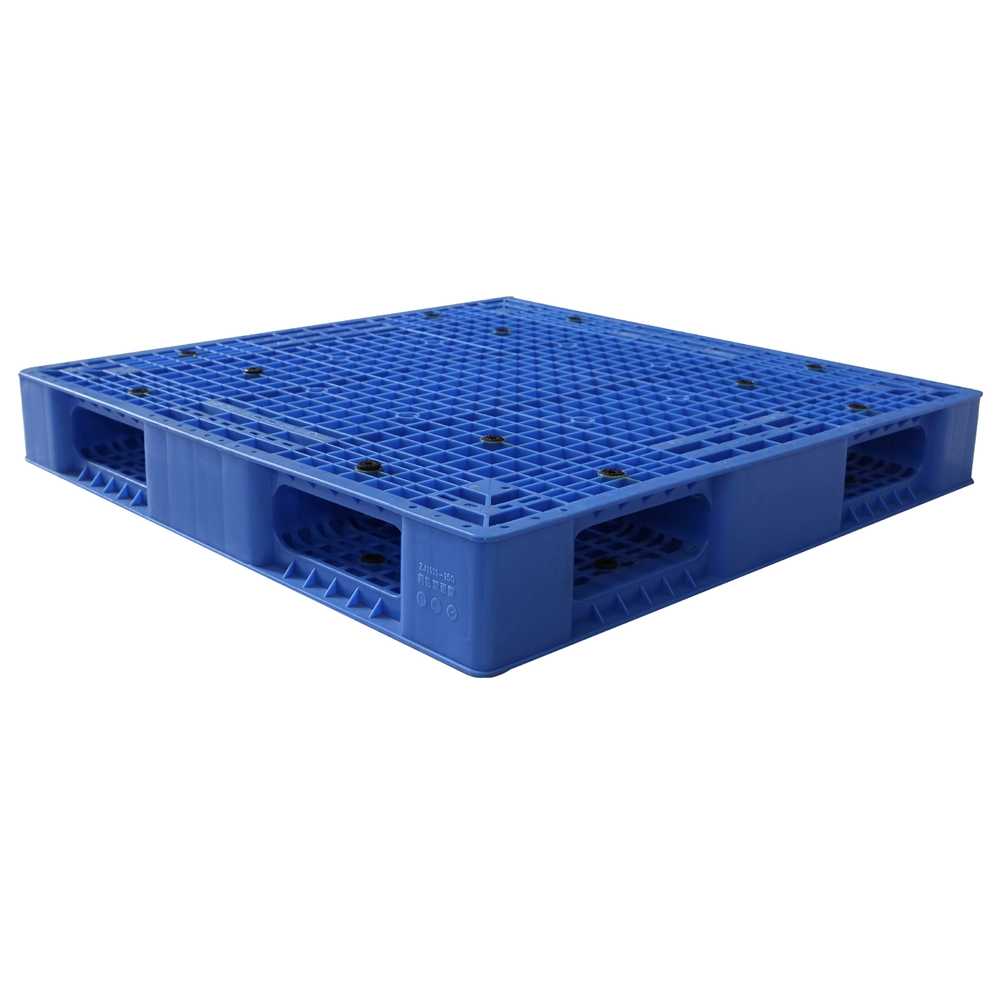
ZJ11111-150 Double-sided Heavy Duty Plastic Pallet
The double-sided plastic pallet, open deck or closed deck, is a solid and durable packaging solution designed for general and medium to heavy-duty cargo stacking, storage and transport. It’s made of virgin HDPE or PP, featuring a robust structure, a reinforced configuration with steel cores for the rack and shelf, and a steady loading capacity for both sides.
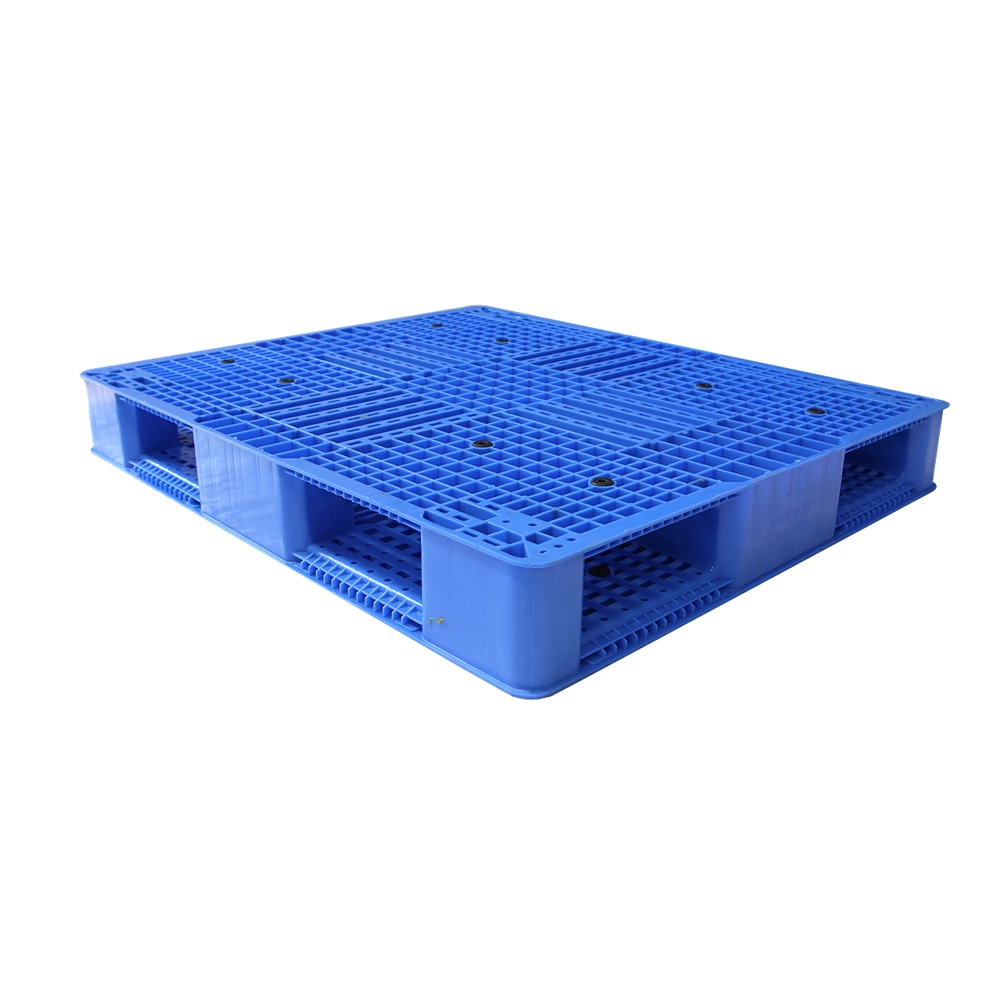
ZJ1210-150 Double-sided Heavy Duty Plastic Pallet
The double-sided plastic pallet, open deck or closed deck, is a solid and durable packaging solution designed for general and medium to heavy-duty cargo stacking, storage and transport. It’s made of virgin HDPE or PP, featuring a robust structure, a reinforced configuration with steel cores for the rack and shelf, and a steady loading capacity for both sides.
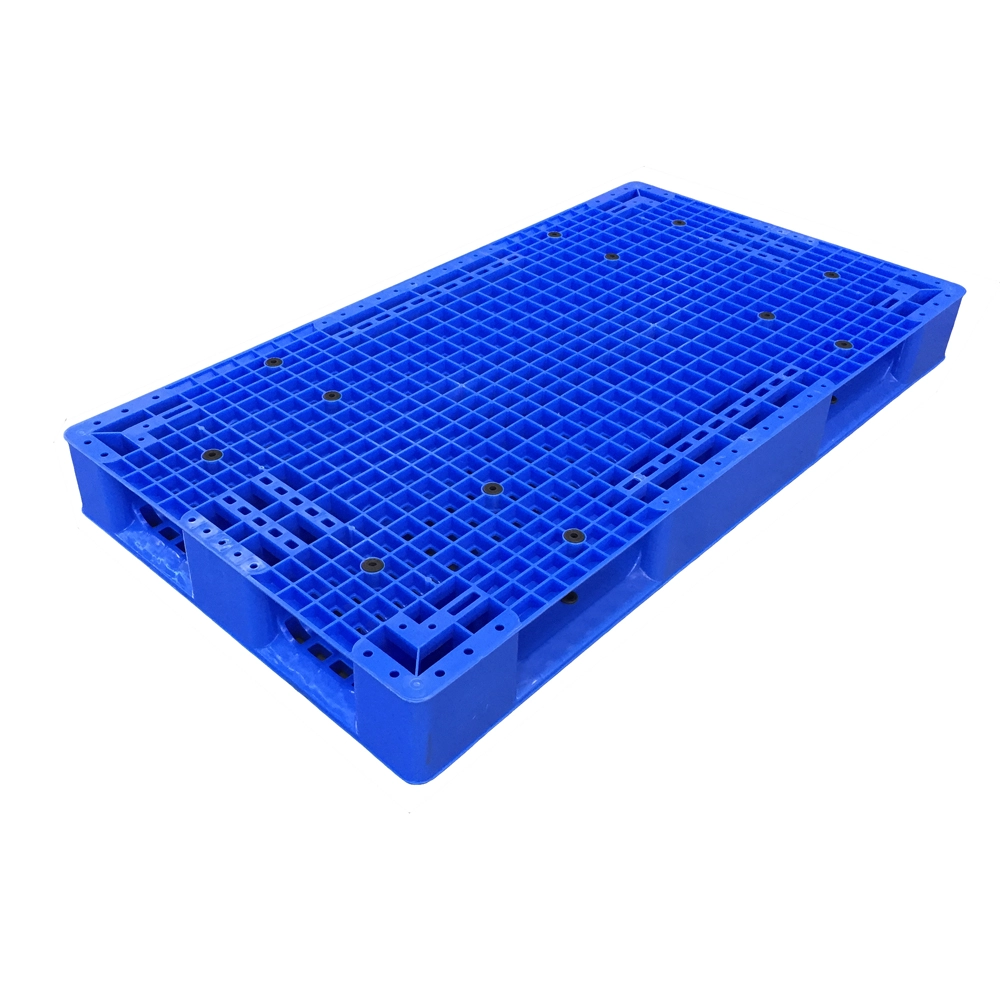
ZJ1508-150 Double-sided Heavy Duty Plastic Pallet
The double-sided plastic pallet, open deck or closed deck, is a solid and durable packaging solution designed for general and medium to heavy-duty cargo stacking, storage and transport. It’s made of virgin HDPE or PP, featuring a robust structure, a reinforced configuration with steel cores for the rack and shelf, and a steady loading capacity for both sides.
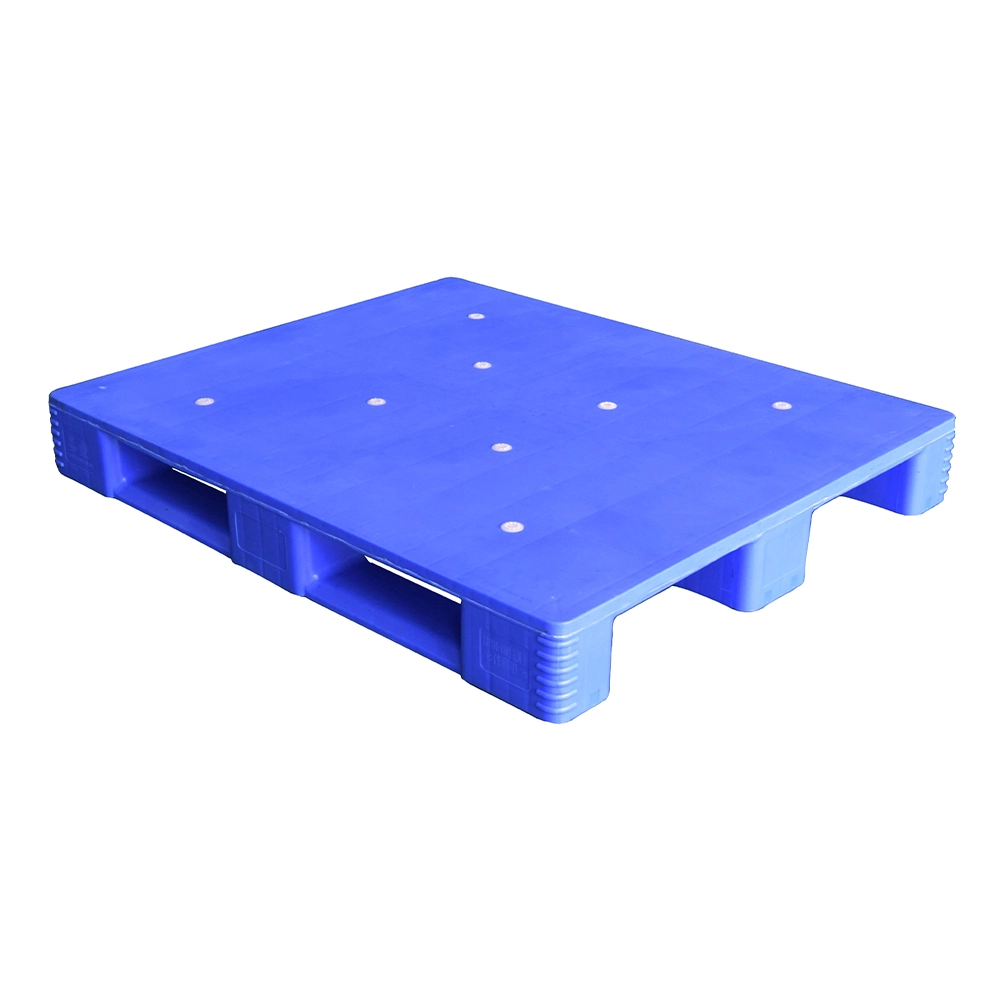
ZJ1210-150H Three-runner Closed Deck Hygienic Plastic Pallet
The three-runner closed-deck hygienic plastic pallet is a solid and durable packaging solution designed for general and especially food and medicine storage and transport. It’s made of virgin HDPE or PP, featuring a flat surface and even bottom for hygienic consideration, a reinforced configuration with steel cores for rack and shelf, and a steady loading capacity.
Request More Information About Plastic Pallets
Have questions or need detailed insights on this article? Fill out the form below to contact our team for comprehensive information and support related to our plastic pallet solutions.
Contact us


+86 138 0277 8204
+86 183 4431 0917
+86 195 3791 1860

No. 15-1, Fengying Rd., Taiping Town, Conghua Dist., Guangzhou City, Guangdong Province, China.

Whatsapp: +8613802778204
Scan QR Code
Guangdong Weihong Plastic Technology Co., Ltd.
Weihong
Whatsapp: +8619537911860
Guangdong Weihong Plastics Technology Company Ltd.