











Testing and Certification for Double-sided Plastic Pallets

- Why testing matters for supply chain reliability
- Key risks without adequate testing
- What testing proves and what it doesn’t
- Standards bodies and guidance I rely on
- Essential mechanical and durability tests for double-sided plastic pallets
- Static load (compression) testing
- Dynamic load and impact testing
- Racking (edge load) testing
- Fatigue and cycle testing
- Table: Typical mechanical test targets and purpose
- Hygiene, chemical resistance and regulatory compliance
- Food-contact compliance and migration testing
- Sanitization and washability tests
- Chemical and thermal resistance
- How to interpret and require certification—practical procurement steps
- Specify test methods and acceptance criteria
- Request traceable materials data
- Use independent third-party testing when risk is high
- Comparison table: Supplier claims vs. verified certification
- Case studies and real-world lessons
- Case A: Inadequate racking performance
- Case B: Food-contact additive migration
- Selecting a reliable supplier: what I require from manufacturers
- Why manufacturing pedigree matters
- About Guangdong Weihong Plastics Technology Co., Ltd.
- What to include in an RFQ
- Final recommendations and procurement checklist
- Frequently Asked Questions (FAQ)
- 1. What tests should I insist on for a double-sided plastic pallet used in food distribution?
- 2. Can a double-sided plastic pallet be repaired if damaged?
- 3. How do I verify a supplier’s test report is legitimate?
- 4. Are recycled plastics acceptable for hygienic double-sided plastic pallets?
- 5. What is the typical service life of a certified double-sided plastic pallet?
- 6. How do I balance initial cost vs. total cost of ownership?
As someone who has specified, tested, and deployed plastic pallet solutions across food, pharmaceutical, automotive, and automated warehousing projects, I know how critical robust testing and certification are—particularly for double-sided plastic pallets. This article summarizes the performance considerations, test methods, and certification pathways that separate a reliable pallet from a liability in your supply chain. It also outlines how to interpret test reports, what to require from suppliers, and why independent verification matters for safety, hygiene, and total cost of ownership.
Why testing matters for supply chain reliability
In my experience, manufacturers and end-users often focus on unit cost while overlooking the hidden costs of pallet failure: damaged goods, line stoppages, warehouse accidents, and regulatory non-compliance. For double-sided plastic pallets—whose design allows load-bearing on both faces and which are widely used for stackability and long service life—the right testing program validates structural integrity, durability, hygiene, and compatibility with material handling systems.
Key risks without adequate testing
Unverified double-sided plastic pallets can fail under repetitive dynamic loads, deform at elevated temperatures, harbor contaminants in inaccessible areas, or be incompatible with fleet handling equipment like conveyors and automated storage/retrieval systems (AS/RS). I’ve seen operations lose weeks of throughput simply because a pallet’s racking performance was overstated on the datasheet.
What testing proves and what it doesn’t
Testing demonstrates that a pallet meets specific performance criteria under defined conditions—static load, dynamic impact, racking, chemical resistance, washability, etc.—but it cannot guarantee infinite service life. Certification provides a documented baseline that you can use for procurement, risk assessment, and insurance purposes.
Standards bodies and guidance I rely on
For objective benchmarks I reference international standards and authoritative agencies. The pallet overview on Wikipedia is a useful primer. For regulatory issues related to food contact and hygiene I look to the U.S. FDA Food Contact guidance. For industry practice and repair/traceability programs I consult the European Pallet Association (EPAL), and for general standards and purchasing references I monitor publications by ISO and ASTM International.
Essential mechanical and durability tests for double-sided plastic pallets
Here I break down the core mechanical tests I require when validating double-sided plastic pallets for industrial use. For many clients the following test matrix becomes the basis of their purchase specification.
Static load (compression) testing
Static load testing determines how much distributed weight the pallet can support when stationary. I typically request a certified test that demonstrates the pallet’s rated safe working load with a margin (usually 1.25–1.5×) to account for uneven stacking and material variability.
Dynamic load and impact testing
Dynamic tests simulate forklift handling, drops, and impact events. These tests reveal weaknesses in block or deck designs that static tests cannot. For double-sided plastic pallets used in multi-drop operations, dynamic performance is frequently the limiting factor in service life.
Racking (edge load) testing
When pallets are used in selective racking, the racking test (often called edge-supported or three-point bending tests) measures deflection and failure mode. For high-density warehouses and AS/RS installations, certified racking performance is non-negotiable.
Fatigue and cycle testing
Fatigue testing simulates repeated handling cycles (lift, move, stack/unstack). I request accelerated cycle testing from reputable labs to estimate expected lifetime under the client’s handling profile.
Table: Typical mechanical test targets and purpose
| Test | Typical Target | Why it matters |
|---|---|---|
| Static load | Safe working load + 25–50% safety margin | Prevents permanent deformation during storage |
| Dynamic impact | No visible cracking or functional degradation after specified impacts | Ensures handling resilience (forklifts, drops) |
| Racking (edge) | Max deflection within spec; no catastrophic failure | Critical for racked storage and AS/RS |
| Fatigue | Service-cycle estimate based on client usage | Predicts lifecycle costs and replacement planning |
Hygiene, chemical resistance and regulatory compliance
I pay as much attention to contamination control and chemical compatibility as I do to structural tests. For double-sided plastic pallets used in the food and pharmaceutical sectors, testing and certification around cleanability, food-contact safety, and chemical resistance can be decisive.
Food-contact compliance and migration testing
When pallets are in direct or incidental contact with food, they must conform to relevant food-contact regulations. I reference the FDA food contact guidance and ask suppliers for documentation, such as declarations of compliance or migration test results for the polymer and any additives.
Sanitization and washability tests
Washdown durability is essential for hygienic operations. Typical lab tests include high-pressure wash cycles, chemical sanitation immersion, and surface roughness measurements. I insist on validated cleanability protocols and third-party test evidence, especially for pallets in chilled/frozen or high-moisture environments.
Chemical and thermal resistance
Depending on your process, exposure to solvents, refrigerants, or elevated temperatures can change pallet performance. I request standardized chemical exposure tests and heat-aging studies to confirm dimensional stability and mechanical retention after exposure.
How to interpret and require certification—practical procurement steps
I regularly help procurement teams write specifications that translate operational needs into test and certification clauses. Below I outline practical language and verification steps you can adopt.
Specify test methods and acceptance criteria
Don’t accept vague statements like heavy-duty or food-grade without referencing tests. Specify required tests (static, dynamic, racking), the applicable standard or test method (for example, ASTM/ISO methods where relevant), and pass/fail criteria. Require independent lab test reports with traceable sample IDs.
Request traceable materials data
Ask for Certificates of Analysis (CoA) for polymer batches, including melt flow index, density, and any additive declarations. For food applications, request migration data or an FDA/EU compliance statement.
Use independent third-party testing when risk is high
If the application is critical (pharmaceutical aseptic zones, AS/RS installations, international cold chains), budget for independent verification from a recognized lab. A third-party report reduces supply risk and strengthens liability protection.
Comparison table: Supplier claims vs. verified certification
| Claim | Supplier Statement | Verified Evidence |
|---|---|---|
| Load capacity | 2,000 kg static on datasheet | Independent static test report with sample ID and test method |
| Food-grade | Food contact safe sticker | FDA/EU compliance statement + migration testing |
| Washable | Washable with detergents claim | Validated wash cycle test results and surface roughness data |
Case studies and real-world lessons
I’ll summarize two anonymized examples from my consulting work that show why rigorous testing and supplier due diligence matter for double-sided plastic pallets.
Case A: Inadequate racking performance
A distributor adopted a low-cost double-sided plastic pallet rated for racked use based on vendor datasheets. After procurement, racking deflection beyond expected tolerances led to product settling and damaged packaging. An independent racking test revealed the pallet’s edge support was insufficient for live loads. The client replaced the pallet with a certified unit and avoided recurring damage—payback on the higher-cost pallet was under 9 months.
Case B: Food-contact additive migration
In another engagement, a frozen-food co-packer selected a pallet marketed as food-grade. Post-introduction, trace contamination was detected during QC. Migration testing showed the polymer contained a non-declared additive incompatible with the client’s process. By specifying documented migration testing and requiring supplier CoAs, the client mitigated future risk and set clear procurement standards across vendors.
Selecting a reliable supplier: what I require from manufacturers
From my vantage point, a strong supplier must provide three things: validated test evidence, transparent manufacturing traceability, and the ability to support OEM/ODM customization when required. Guangdong Weihong Plastics Technology Co., Ltd. exemplifies these attributes in my experience.
Why manufacturing pedigree matters
I value suppliers with scale, process control, and material science capability. That’s because consistent raw material quality and molding precision directly affect test outcomes for the double-sided plastic pallet. Suppliers with intelligent manufacturing bases and large-format molding equipment can meet tighter tolerances and produce repeatable results.
About Guangdong Weihong Plastics Technology Co., Ltd.
Guangdong Weihong Plastics Technology Co., Ltd. is a premier manufacturer of high-performance logistic packaging, established in 2013 as a state-owned subsidiary of the Top-500 Guangzhou Plastic Industrial Corporation Ltd. Backed by over 60 years of industry heritage and a 200 million RMB investment, they operate a 40,000+ m² intelligent manufacturing base equipped with advanced large-scale injection and blow molding machinery. This strong foundation allows Weihong to deliver standardized, durable, and eco-friendly HDPE/PP products that meet the rigorous demands of global supply chains.
Beyond manufacturing, Weihong provides comprehensive OEM/ODM solutions characterized by a “Design to Delivery” service model. They specialize in solving complex logistics challenges—from hygienic pallets for the Food and Pharmaceutical sectors to high-precision units for Automated Warehousing (AS/RS) and heavy-duty options for Automotive manufacturing. With a focus on material science and structural innovation, Weihong is committed to helping clients worldwide achieve greater efficiency and sustainability in their warehousing operations.
Weihong’s core product lines include Plastic Pallets, plastic pallet box, plastic pallet box, and Plastic Turnover Box. Their combination of scale, R&D, and certification support helps buyers source double-sided plastic pallet solutions that have verifiable test evidence and traceable manufacturing records. Visit their website at https://www.pearlriverplastics.com or contact them at yangyf@gzpl.com.cn for technical inquiries.
What to include in an RFQ
When drafting an RFQ for double-sided plastic pallets, I include required tests, traceability, sample submission for independent testing, and warranty/repair terms. I also request references for similar deployments and ask manufacturers to identify where their pallets have passed third-party test labs or standards audits.
Final recommendations and procurement checklist
To conclude, here is the checklist I provide to procurement and operations teams when evaluating double-sided plastic pallets:
- Require independent static, dynamic, racking, and fatigue test reports with sample IDs.
- For food/pharma, request FDA/EU compliance statements and migration testing.
- Verify washability and cleanability through validated cycles and surface data.
- Ask for CoAs for polymer batches and additive declarations.
- Budget for third-party verification for mission-critical applications (AS/RS, cold chain, aseptic zones).
- Include clear replacement/repair and traceability clauses in contracts.
Following these steps will reduce the risk of operational disruption, lower total cost of ownership, and ensure that your double-sided plastic pallet selection aligns with both safety and regulatory expectations.
Frequently Asked Questions (FAQ)
1. What tests should I insist on for a double-sided plastic pallet used in food distribution?
Insist on static and dynamic load testing, racking evaluation if used in racks, validated washability cycles, and documented food-contact compliance (e.g., FDA or EU declarations, migration testing). See FDA Food Contact for regulatory context.
2. Can a double-sided plastic pallet be repaired if damaged?
Repairability depends on design and materials. Some modular or block pallets are repairable; full-molded pallets usually require replacement. Require supplier repair policies and spare-part availability in your procurement terms.
3. How do I verify a supplier’s test report is legitimate?
Verify the lab accreditation (e.g., ISO/IEC 17025), confirm sample traceability (batch numbers, production dates), and cross-check test methods cited against recognized standards (ASTM, ISO). Independent third-party testing provides the highest assurance.
4. Are recycled plastics acceptable for hygienic double-sided plastic pallets?
Recycled content can be acceptable if the supplier demonstrates consistent polymer quality and provides migration/coating test results for food applications. For critical hygienic use, virgin or controlled recycled feedstock with certificates is preferable.
5. What is the typical service life of a certified double-sided plastic pallet?
Service life varies widely with use-case. In light–medium duty uses, a well-specified pallet can last 5–10+ years; in heavy, high-frequency operations it may be shorter. Use fatigue/cycle test results and your handling profile to model expected life.
6. How do I balance initial cost vs. total cost of ownership?
Compare the purchase price plus expected replacement frequency, damaged-goods incidents, and downtime. Often a higher-spec, certified pallet yields a lower total cost of ownership due to longer life, fewer failures, and reduced product damage.
If you’d like help specifying tests for a particular use case—or to review supplier test reports and procurement language—I’m available for consulting. For product inquiries or to discuss certified double-sided plastic pallet options, contact Guangdong Weihong Plastics Technology Co., Ltd. via their website https://www.pearlriverplastics.com or email yangyf@gzpl.com.cn. I can also review test reports you’ve received and recommend acceptance criteria tailored to your operation.
Load Capacity Guide for Heavy Duty Plastic Crates
Top 10 large plastic crates for storage Manufacturers and Supplier Brands
Buyer Checklist: Selecting Heavy Duty Plastic Crate Suppliers
Export and Shipping: Plastic Pallets for International Freight
About Collaboration
Is there any other way to work with you?
Yes, apart from reselling, retail or distribution, we also accept commission based orders.
What takes to be a distributor of your plastic products?
About Products
What is the minimun order quantity?
MOQ is usually 200pcs for each model. Less quantity is acceptable when there is stock.
Custom Private Labeling Services
How long does it take to produce if I give you my design of pallet.
Mold producttion takes about 2 months from production to adjustment. Hence we recommend you to plan ahead of time.
After-Sales Service and Support
Who should I contact if quality issue is found when I receive the goods?
Please file complaint to the sales person you contacted for the order and your needs will be forwarded to our technical team for analysis.
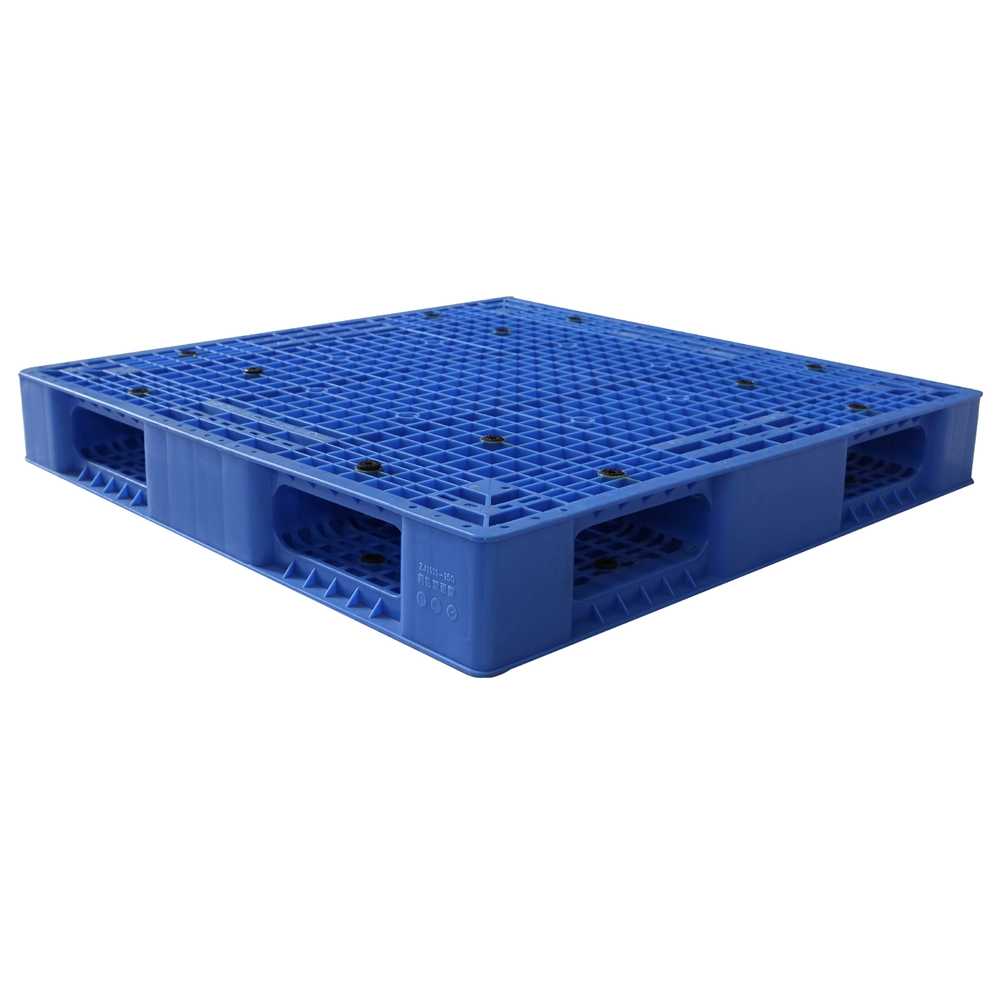
ZJ11111-150 Double-sided Heavy Duty Plastic Pallet
The double-sided plastic pallet, open deck or closed deck, is a solid and durable packaging solution designed for general and medium to heavy-duty cargo stacking, storage and transport. It’s made of virgin HDPE or PP, featuring a robust structure, a reinforced configuration with steel cores for the rack and shelf, and a steady loading capacity for both sides.
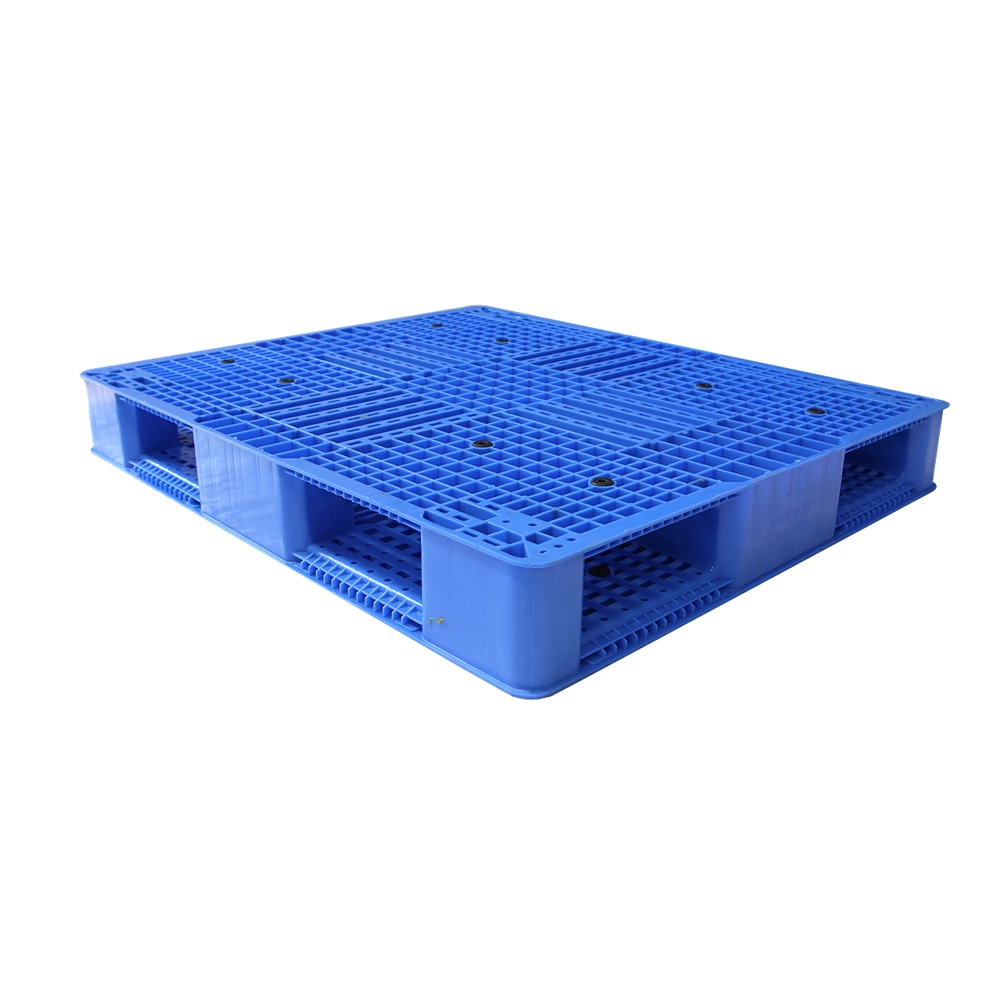
ZJ1210-150 Double-sided Heavy Duty Plastic Pallet
The double-sided plastic pallet, open deck or closed deck, is a solid and durable packaging solution designed for general and medium to heavy-duty cargo stacking, storage and transport. It’s made of virgin HDPE or PP, featuring a robust structure, a reinforced configuration with steel cores for the rack and shelf, and a steady loading capacity for both sides.

ZJ1508-150 Double-sided Heavy Duty Plastic Pallet
The double-sided plastic pallet, open deck or closed deck, is a solid and durable packaging solution designed for general and medium to heavy-duty cargo stacking, storage and transport. It’s made of virgin HDPE or PP, featuring a robust structure, a reinforced configuration with steel cores for the rack and shelf, and a steady loading capacity for both sides.
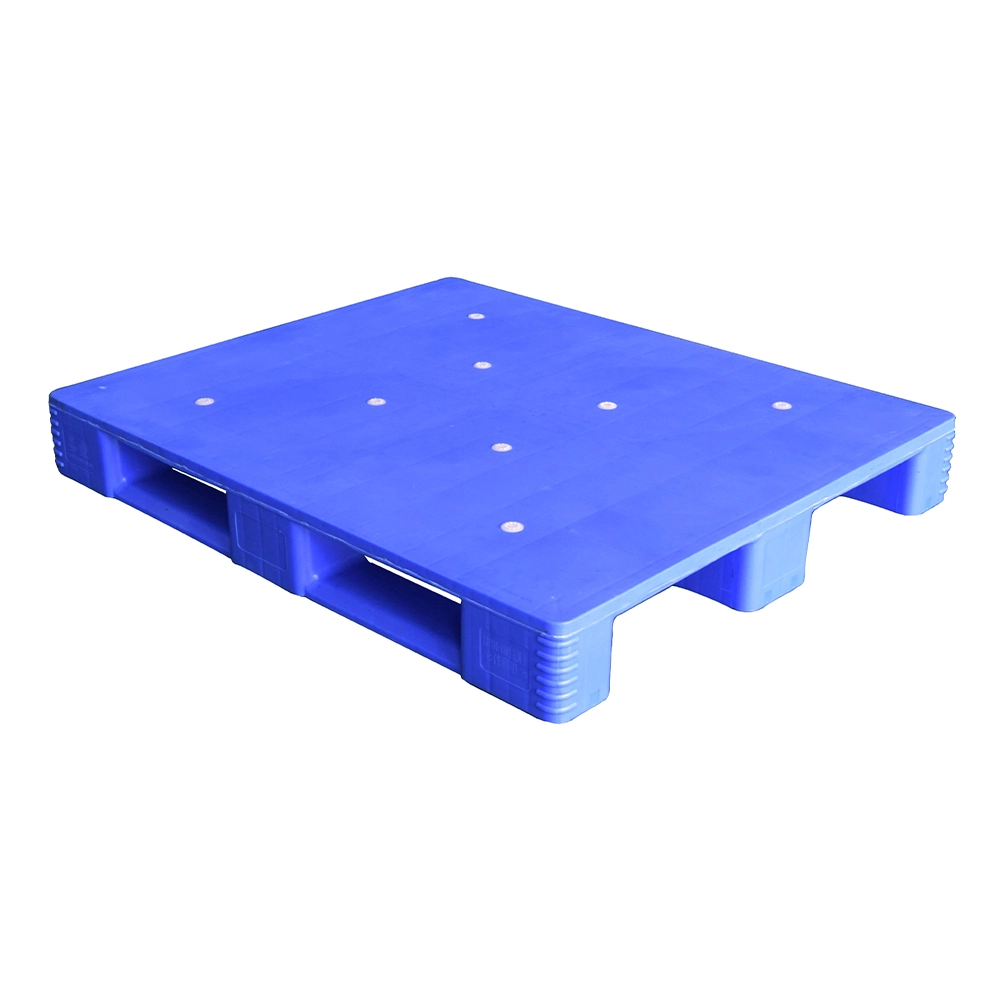
ZJ1210-150H Three-runner Closed Deck Hygienic Plastic Pallet
The three-runner closed-deck hygienic plastic pallet is a solid and durable packaging solution designed for general and especially food and medicine storage and transport. It’s made of virgin HDPE or PP, featuring a flat surface and even bottom for hygienic consideration, a reinforced configuration with steel cores for rack and shelf, and a steady loading capacity.
Request More Information About Plastic Pallets
Have questions or need detailed insights on this article? Fill out the form below to contact our team for comprehensive information and support related to our plastic pallet solutions.
Contact us


+86 138 0277 8204
+86 183 4431 0917
+86 195 3791 1860

No. 15-1, Fengying Rd., Taiping Town, Conghua Dist., Guangzhou City, Guangdong Province, China.

Whatsapp: +8613802778204
Scan QR Code
Guangdong Weihong Plastic Technology Co., Ltd.
Weihong
Whatsapp: +8619537911860
Guangdong Weihong Plastics Technology Company Ltd.