











Why Your Warehouse Needs Nestable Plastic Pallets: The 2026 Sustainability Roadmap
- What Are Nestable Plastic Pallets?
- Quick Summary: Key Takeaways for 2026
- The Mechanics of Nesting: Maximizing Warehouse Space and Freight Savings
- Data Comparison Table: Nestable vs Stackable Plastic Pallets & Wood
- The 2026 Sustainability Roadmap: Reaching Your ESG Goals
- Expert Tips & Common Mistakes in Pallet Procurement
- Conclusion
- Frequently Asked Questions
What Are Nestable Plastic Pallets?
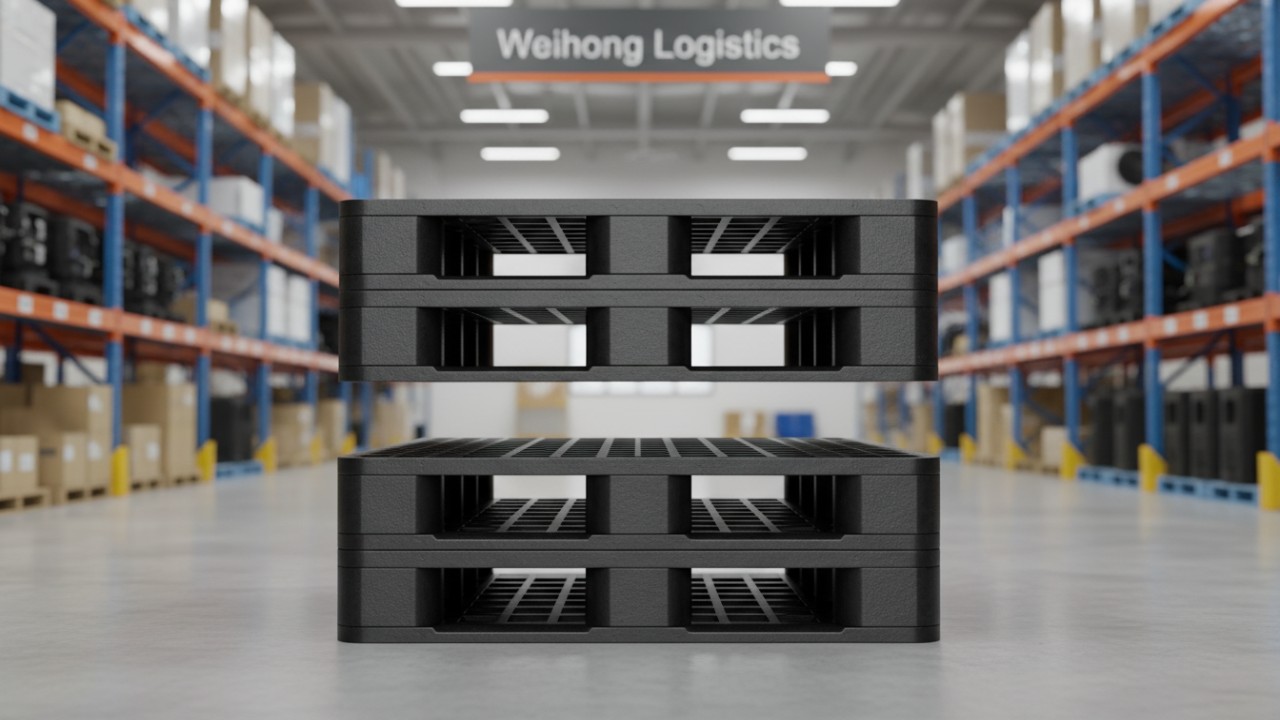
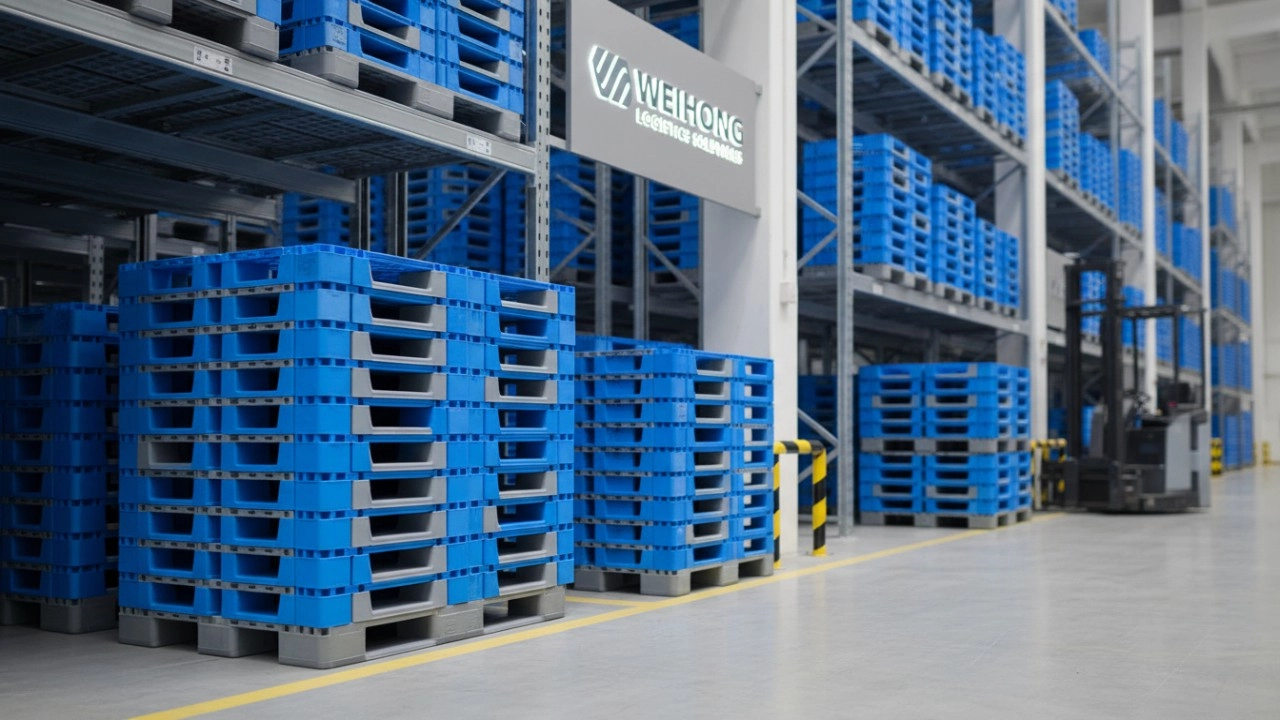
Nestable plastic pallets are space-saving logistical platforms designed with hollow, nine-leg bases that slot directly inside one another when empty. This unique interlocking structural design reduces storage footprints by up to 75% compared to standard wooden or stackable plastic alternatives.
The engineering behind these assets completely changes how warehouses manage their floor space. By consolidating empty pallets during backhaul transportation, they provide unmatched efficiency for closed-loop logistics pallets systems and modern warehouse floors. Traditional pallets stack directly on top of one another, which quickly consumes vertical and horizontal storage space. In contrast, the hollow legs of nestable pallets glide seamlessly into the top deck of the pallet beneath them.
When you implement this system, your storage density increases dramatically. Facility managers no longer have to dedicate massive sections of their warehouse strictly to empty pallet storage. Furthermore, the lightweight nature of these platforms makes them easier and safer for staff to handle manually, reducing workplace injuries. As the supply chain evolves, the shift from bulky, traditional skids to highly efficient, space-saving designs becomes a fundamental requirement for staying competitive and agile.
Quick Summary: Key Takeaways for 2026
The key takeaways for 2026 involve maximizing space utilization, ensuring global export compliance, meeting strict environmental targets, and achieving rapid returns on investment. Upgrading your warehouse infrastructure to plastic solutions directly drives operational efficiency and long-term cost reduction.
To prepare for the future of logistics, warehouse managers must understand the immediate benefits of transitioning to a modern pallet system:
- Space Utilization: Achieve up to a 4:1 nesting ratio, which instantly frees up valuable warehouse real estate for revenue-generating inventory.
- Global Exporting: Enjoy total exemption from complex international timber regulations by utilizing ISPM 15 compliant shipping pallets, preventing costly global customs delays and border rejections.
- ESG Compliance: Utilize 100% recyclable high-density polyethylene (HDPE) materials to hit aggressive corporate carbon reduction targets.
- Return on Investment: Break even within 18 months through drastic reductions in reverse logistics freight costs and minimized product damage.
The Mechanics of Nesting: Maximizing Warehouse Space and Freight Savings
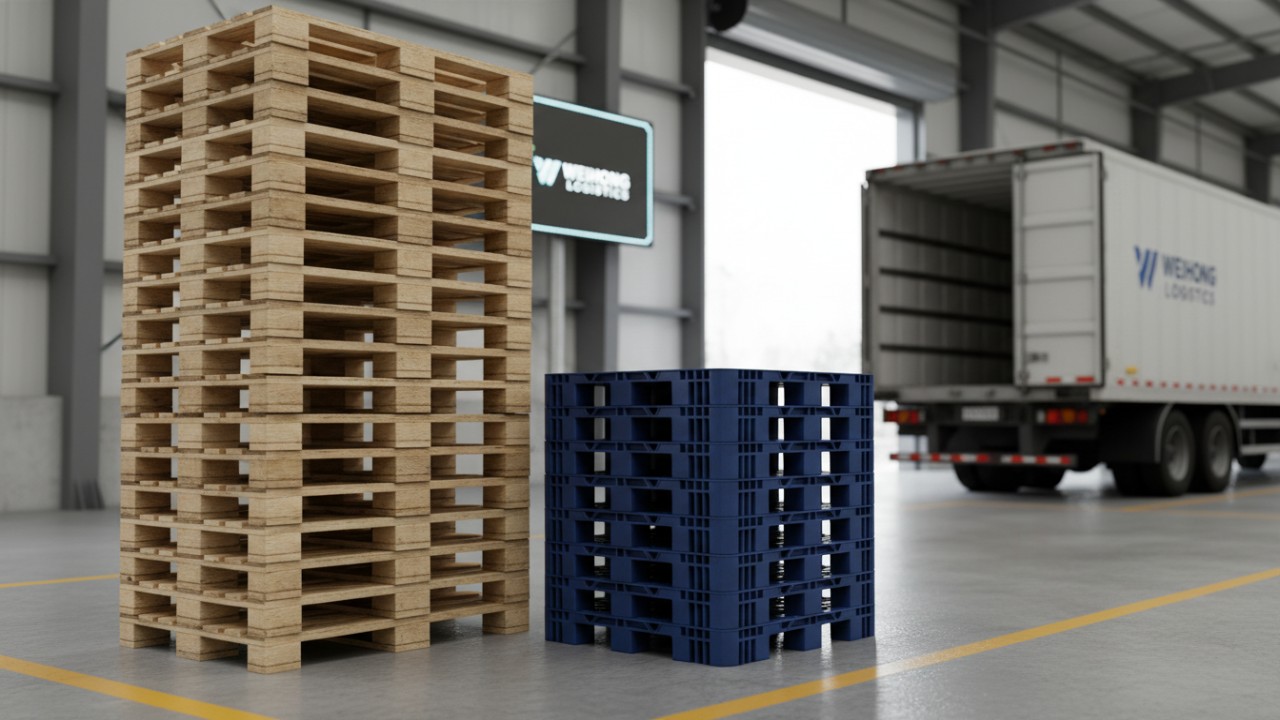
The mechanics of nesting rely on a specific HDPE nine-leg pallets engineering design that distributes static and dynamic loads evenly while allowing empty units to stack deeply within one another. This creates a highly efficient 4:1 return ratio.
Understanding the engineering behind the 9-leg foot pattern is crucial for modern warehouse management. The legs are strategically positioned to offer maximum support to the payload while maintaining a hollow core. When carrying a load, these pallets offer exceptional dynamic load stability. When empty, the legs nest together, which fundamentally transforms reverse logistics.
Here is how the mechanics of nesting translate into actionable financial savings:
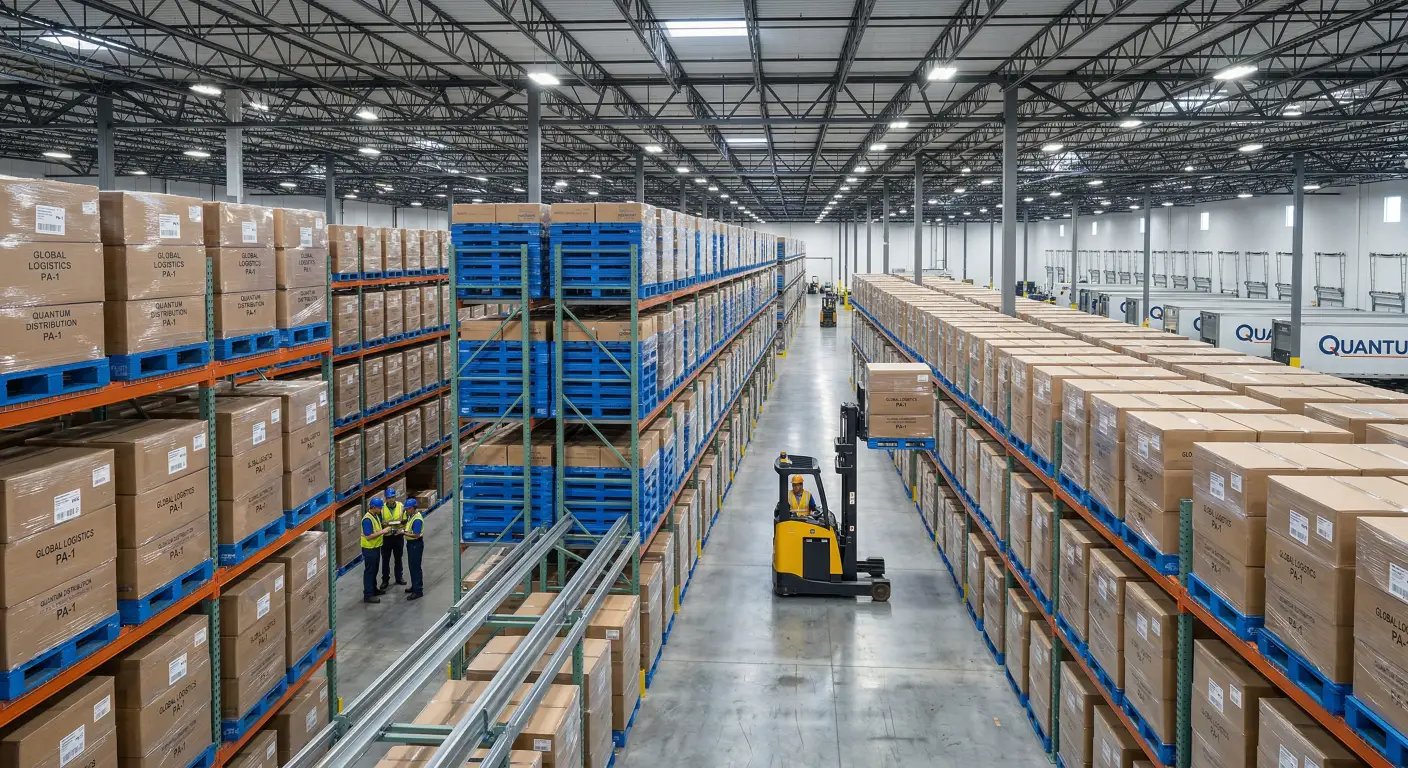
- Reverse Logistics Efficiency: Because of the 4:1 return ratio, a standard 53-foot trailer that normally holds 500 empty wooden pallets can hold up to 2,000 nested plastic pallets. This reduces the number of required return trips by 75%.
- Fuel Consumption: Fewer return trips directly result in lower fuel consumption, which immediately decreases your transportation overhead and cuts carbon emissions.
- Warehouse Safety: The interlocking design enhances warehouse safety by lowering stack heights. Empty pallets remain stable when nested, reducing the risk of tipping. Additionally, the lightweight plastic reduces the manual handling weight limits for your floor staff, ensuring better ergonomics.
Data Comparison Table: Nestable vs Stackable Plastic Pallets & Wood
When evaluating nestable vs stackable plastic pallets against traditional wood, nestable designs offer a superior 4:1 storage ratio, a lifespan exceeding 10 years, and a significantly lower carbon footprint. This translates to maximized warehouse space and superior lifecycle ROI.
To make an informed procurement decision, facility managers must look at the data. Traditional wood pallets might seem cheaper upfront, but their total cost of ownership (TCO) quickly inflates due to frequent replacements and high transportation costs.
| Feature / Metric | Nestable Plastic Pallets | Stackable Plastic Pallets | Traditional Wood Pallets |
|---|---|---|---|
| Storage Ratio | 4:1 (Highly space-efficient) | 1:1 (Requires full vertical space) | 1:1 (Requires full vertical space) |
| Lifespan & Durability | 10+ Years (50-100+ trips) | 10+ Years (50-100+ trips) | 1-3 Years (3-5 trips) |
| Cost Per Trip | Extremely Low | Low | High (Frequent repairs) |
| ISPM 15 Exemption | Yes (No heat treatment needed) | Yes (No heat treatment needed) | No (Requires heat treatment) |
| Carbon Emissions | Lowest (Fewer return trips) | Moderate (Standard return trips) | Highest (Deforestation & transport) |
As shown in the table, the distinct advantage of the nestable design is the combination of longevity and space-saving mechanics. While stackable plastic options are excellent for unsupported edge-racking, nestable models dominate in closed-loop delivery environments where return freight costs are a primary concern.
The 2026 Sustainability Roadmap: Reaching Your ESG Goals
Reaching your warehouse sustainability ESG goals 2026 requires swapping traditional wooden skids for reusable, 100% recyclable plastic pallets to support a circular economy. This transition drastically reduces lifecycle carbon footprints, eliminates deforestation impacts, and minimizes landfill waste in supply chains.
The push toward a circular economy is no longer just a corporate buzzword; it is a regulatory expectation. According to the World Economic Forum, integrating circular economy principles into supply chains helps maintain operations amidst unforeseen disruptions while fostering sustainable growth and resilience. By utilizing materials that can be ground down and remolded at the end of their lifecycle, companies create a closed-loop system that inherently protects natural resources.
To achieve these ambitious targets, partnering with an experienced manufacturer is essential. This is where Guangdong Weihong Plastics Technology Co., Ltd. excels. Established in 2013 as a state-owned subsidiary of the Top-500 Guangzhou Plastic Industrial Corporation Ltd., we are backed by over 60 years of industry heritage and a 200 million RMB investment.
Operating a 40,000+ m² intelligent manufacturing base equipped with advanced large-scale injection and blow molding machinery, our "Design to Delivery" OEM/ODM solutions solve complex logistics challenges. For example, our custom nestable pallet programs recently helped a major global retailer eliminate 20,000 tons of wood waste annually. By tracking lifecycle carbon footprint reductions in these closed-loop delivery systems, our clients can easily report verified environmental savings in their annual ESG disclosures.
Expert Tips & Common Mistakes in Pallet Procurement
The most common mistake in pallet procurement is deploying nestable designs in unsupported edge-racking systems without proper wire decking, which compromises safety. The best expert tip is to always match your pallet’s dynamic load capacity to your absolute heaviest freight scenario.
Procuring the right logistical packaging requires a deep understanding of your facility's physical infrastructure and international shipping requirements.
- Mistake: Deploying nestable pallets in unsupported edge-racking systems.
- Expert Tip: Always match your pallet's dynamic load capacity to your heaviest freight scenario, not just average handling weights. If you must use edge racks, ensure you install appropriate wire decking or base supports.
- Mistake: Overlooking the specific hygienic advantages of closed-deck nestable models when shipping pharmaceutical or FDA-regulated food products. Wood absorbs moisture and harbors bacteria.
- Expert Tip: Factor in the cost of reverse logistics when calculating the total cost of ownership (TCO) over a 5-year period. Furthermore, when exporting, remember that plastic totally bypasses strict wood regulations. As outlined by the International Plant Protection Convention's ISPM 15 standards, raw wood packaging must be heat-treated to prevent the global spread of pests—a costly hurdle completely avoided by using our hygienic plastic pallets.
Conclusion
Transitioning to nestable plastic pallets is a critical step for modernizing warehouse operations, drastically reducing return freight costs, and achieving strict 2026 sustainability targets. By leveraging their unique space-saving mechanics and export compliance, your supply chain will operate with unprecedented efficiency.
Warehouse managers who proactively embrace these structural innovations will benefit from cleaner facilities, safer working environments, and highly optimized reverse logistics. Guangdong Weihong Plastics Technology Co., Ltd. provides the standardized, durable, and eco-friendly HDPE/PP products required to meet the rigorous demands of global supply chains.
Contact Guangdong Weihong Plastics Technology Co., Ltd. today to discuss your specific needs.
Frequently Asked Questions
What is the weight capacity of a nestable plastic pallet?
- Nestable pallets typically hold up to 3,000 lbs in dynamic load capacity (in transit).
- Static load capacity (resting on the floor) can often exceed 8,000 lbs depending on the specific HDPE design and leg structure.
Can nestable plastic pallets be placed in pallet racking?
- Standard nine-leg nestable pallets are not designed for unsupported edge-racking.
- They must be used with wire decking or solid shelf supports unless you purchase hybrid attachable runner bases.
How much space do nestable pallets save?
- They offer a nesting ratio of up to 4:1.
- This means you can fit up to 2,000 nested pallets in a standard 53-foot trailer, compared to only 500 standard wooden pallets.
Are nestable plastic pallets ISPM 15 compliant?
- Yes, because they are manufactured entirely from plastic, they are completely exempt from ISPM 15 regulations.
- They do not require heat treatment or fumigation, making them ideal for seamless international exports.
What is the lifespan of a nestable plastic pallet?
- When handled correctly in a closed-loop system, high-quality HDPE nestable pallets can last 10 years or more.
- They can typically complete over 50 to 100 trips, far exceeding the 3-5 trip average of wooden pallets.
How do nestable pallets differ from stackable pallets?
- Nestable pallets have hollow legs that slot into the deck of the pallet below them to save space when empty.
- Stackable pallets feature solid bottom runners designed to safely stack on top of loaded goods and span unsupported storage racks.
Are plastic pallets better for the environment than wood?
- Yes, modern nestable plastic pallets are often made from 100% recycled plastics and are fully recyclable at the end of their lifecycle.
- They eliminate deforestation impacts, reduce landfill waste, and lower carbon emissions through backhaul transportation efficiency.
What industries benefit most from nestable plastic pallets?
- Industries utilizing closed-loop supply chains see the most benefit.
- Key sectors include retail distribution, food and beverage, pharmaceuticals, international exporting, and air freight logistics.
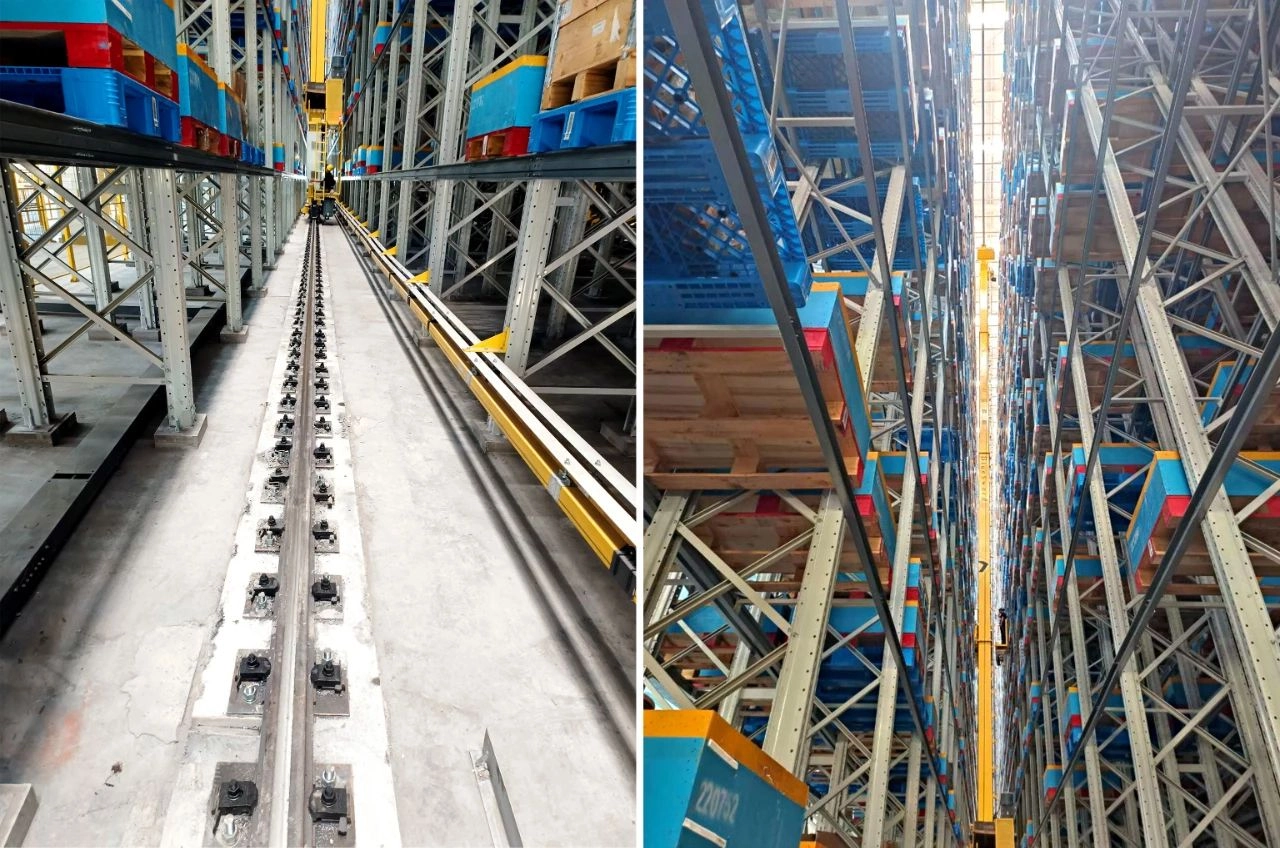
For automated storage and retrieval systems (AS/RS), plastic pallets reinforced with steel pipes are mandatory; they are essentially unusable without
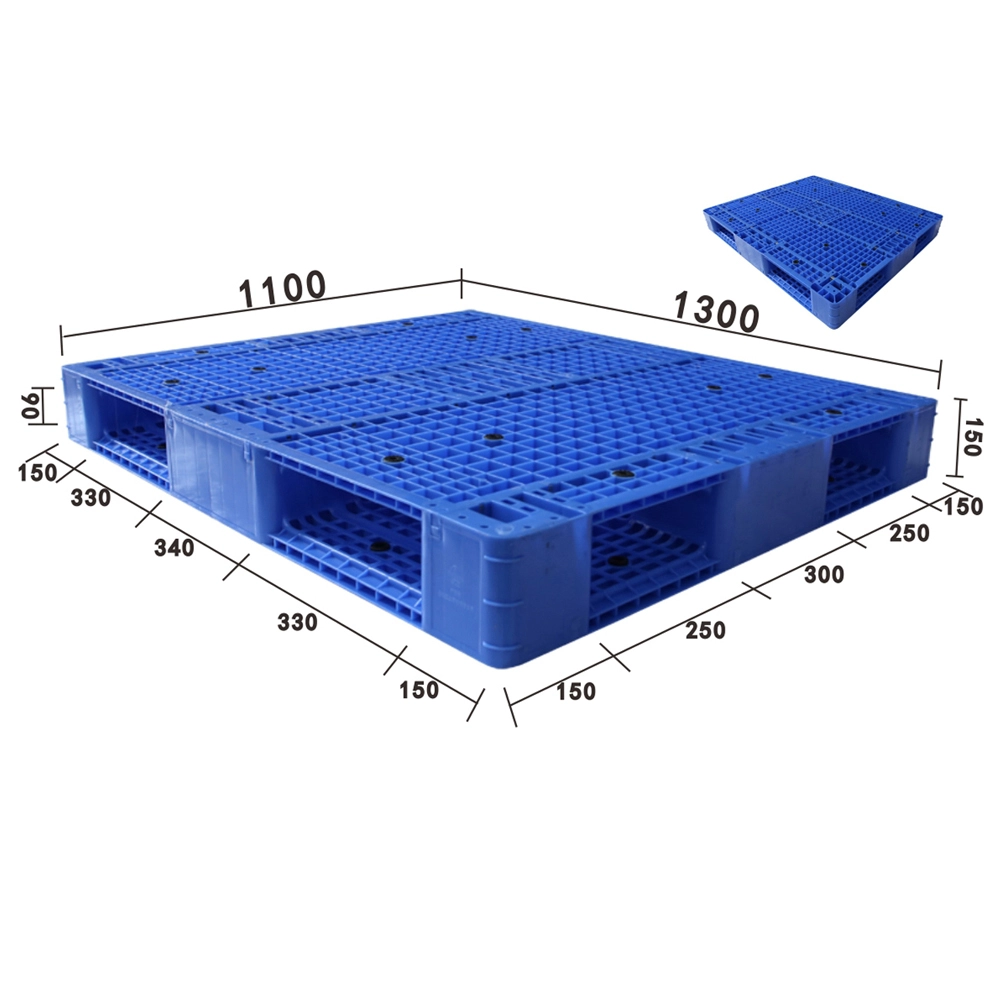
Which types of plastic pallets—nine-legged, three-runners, six-runners, and double-sided—are suitable for racking, and which are not?
Why Your Warehouse Needs Nestable Plastic Pallets: The 2026 Sustainability Roadmap
Guide to Selecting Plastic Pallets for Automated Storage and Retrieval Systems (ASRS) in the Food Industry
About Products
Are there other sizes available apart from the ones on your website?
Yes, more sizes and styles of the plastic pallets and boxes are under development. Please contact us to check for availability.
Are your products compliant with EU/US food contact safety regulations?
Even though our plastic pallets or boxes are not food contact direct material, we adhere to the relative laws and regulations to use non-toxic raw material for our products.
After-Sales Service and Support
Who should I contact if quality issue is found when I receive the goods?
Please file complaint to the sales person you contacted for the order and your needs will be forwarded to our technical team for analysis.
What warranty do your plastic pallets and boxes come with?
Logistics and Payment
What delivery terms do you support?
FOB term is our priority. Meanwhile, we accept also FCA, CFR, CIF, etc.
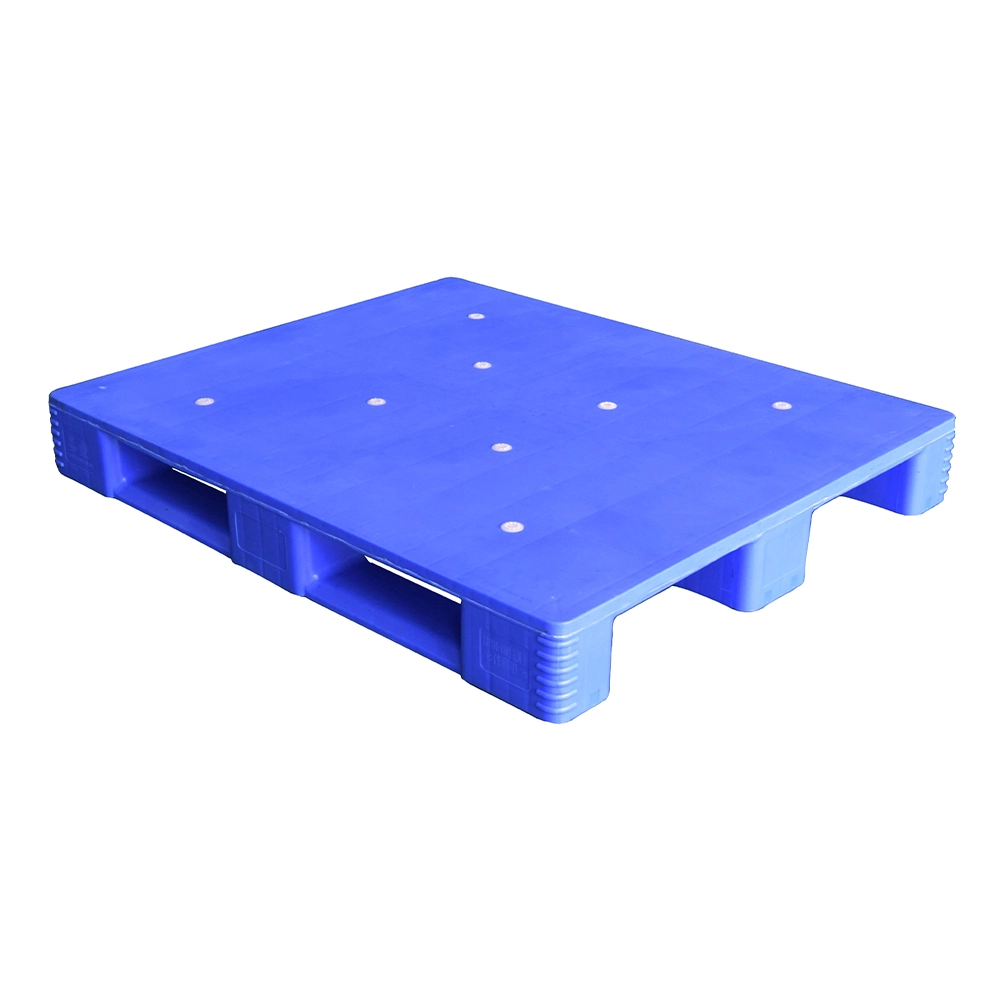
ZJ1210-150H Three-runner Closed Deck Hygienic Plastic Pallet
The three-runner closed-deck hygienic plastic pallet is a solid and durable packaging solution designed for general and especially food and medicine storage and transport. It’s made of virgin HDPE or PP, featuring a flat surface and even bottom for hygienic consideration, a reinforced configuration with steel cores for rack and shelf, and a steady loading capacity.
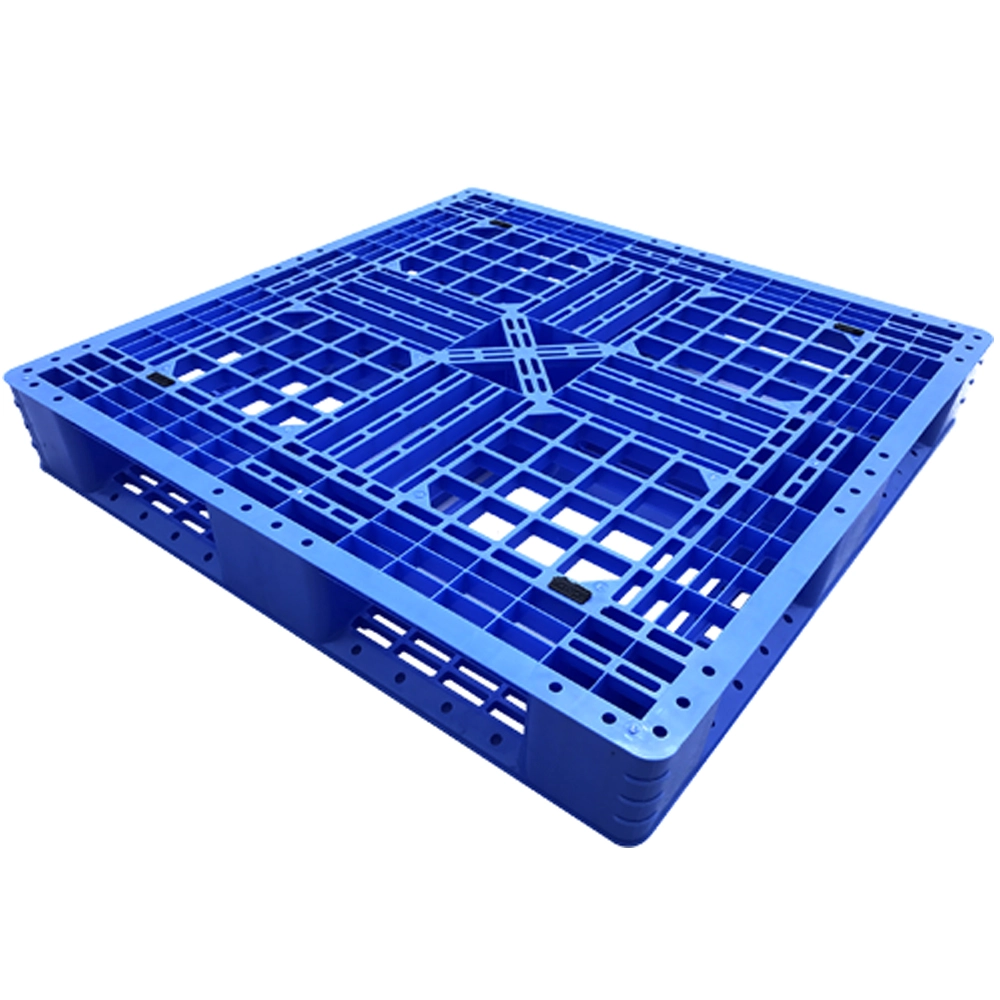
ZJ1010-150 Six-runner Single-sided Plastic Pallet
The six-runner plastic pallet, open or closed deck, is a solid and durable packaging solution designed for general and medium to heavy-duty cargo stacking, storage and transport. It’s made of virgin HDPE or PP, featuring in robust structure, a reinforced configuration with steel cores for the rack and shelf, and a steady loading capacity.
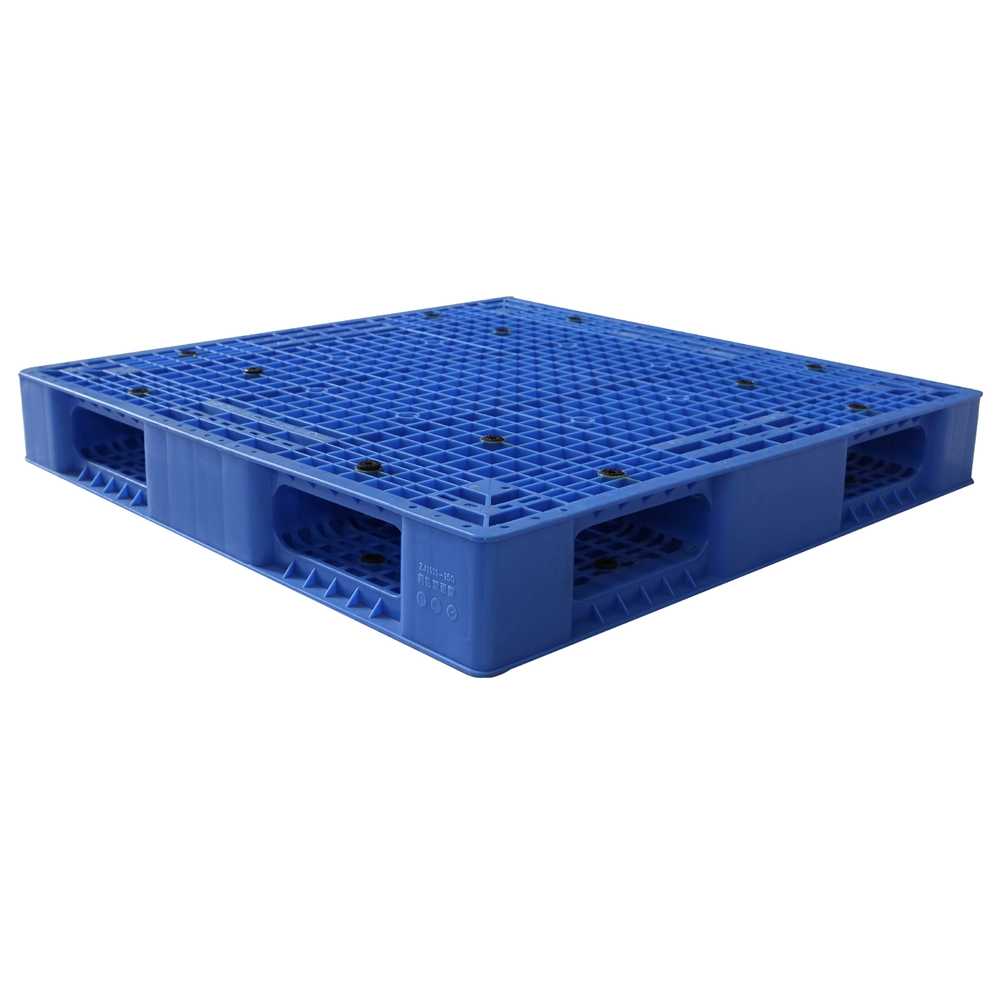
ZJ11111-150 Double-sided Heavy Duty Plastic Pallet
The double-sided plastic pallet, open deck or closed deck, is a solid and durable packaging solution designed for general and medium to heavy-duty cargo stacking, storage and transport. It’s made of virgin HDPE or PP, featuring a robust structure, a reinforced configuration with steel cores for the rack and shelf, and a steady loading capacity for both sides.
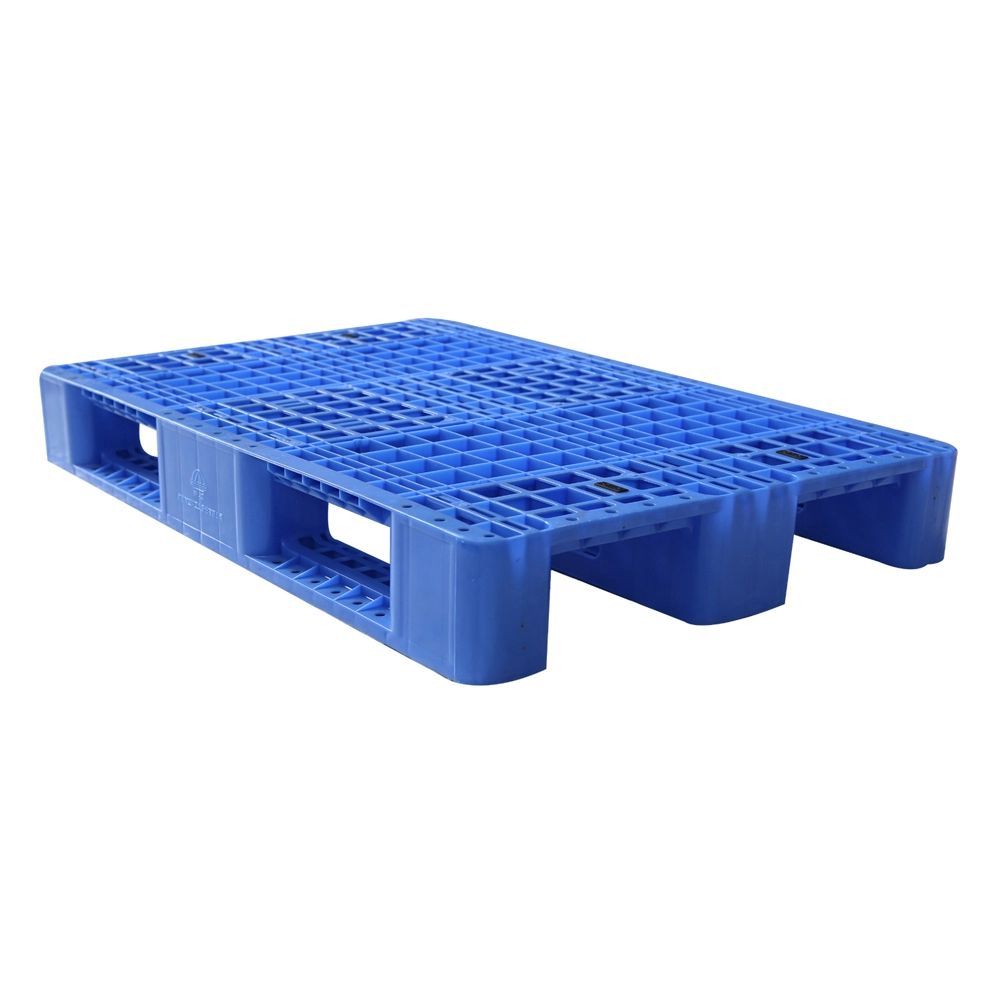
ZJ1208-155 Three-runner Single-sided Plastic Pallet
The three-runner single-sided plastic pallet is a solid and durable packaging solution designed for general and medium to heavy-duty cargo storage, transport and automated storage and retrieval system (AS/RS) use. It’s made of virgin HDPE or PP, featuring in robust structure, reinforced configuration with steel cores for rack and shelf, and a steady loading capacity.
Request More Information About Plastic Pallets
Have questions or need detailed insights on this article? Fill out the form below to contact our team for comprehensive information and support related to our plastic pallet solutions.
Contact us


+86 138 0277 8204
+86 183 4431 0917
+86 195 3791 1860

No. 15-1, Fengying Rd., Taiping Town, Conghua Dist., Guangzhou City, Guangdong Province, China.
 Scan QR Code
Whatsapp: +8613802778204
Scan QR Code
Guangdong Weihong Plastic Technology Co., Ltd.
Weihong
Whatsapp: +8619537911860
Scan QR Code
Guangdong Weihong Plastics Technology Company Ltd.