











How to choose the right plastic pallet size? | Insights by Weihong

- 1. How do I determine the appropriate plastic pallet size for my specific product dimensions?
- 2. What are the load capacities I should consider when choosing a plastic pallet size?
- 3. How do I ensure my chosen plastic pallet size is compatible with my warehouse racking system?
- 4. What are the standard plastic pallet sizes, and how do they differ across regions?
- 5. How do I balance cost considerations with the need for a durable plastic pallet?
- 6. What are the environmental considerations when selecting a plastic pallet size?
1. How do I determine the appropriate plastic pallet size for my specific product dimensions?
Selecting the right plastic pallet size begins with a thorough understanding of your product's dimensions and packaging. Measure the length, width, and height of your products, including any packaging materials. Ensure that the pallet size accommodates these measurements, allowing for efficient handling and storage. For instance, if your product dimensions are 1200 mm in length and 800 mm in width, a standard 1200 × 1000 mm pallet would be suitable, providing extra space for handling equipment and stability.
2. What are the load capacities I should consider when choosing a plastic pallet size?
Understanding the load capacities is essential to prevent pallet failure and ensure safety. Pallet load capacities are typically categorized into three types:
Static Load Capacity: The maximum weight a pallet can support when stationary on a flat surface. This is crucial for stacked storage.
Dynamic Load Capacity: The maximum weight a pallet can handle during movement, such as when lifted by a forklift.
Racking Load Capacity: The maximum weight a pallet can support when placed on a racking system.
Assess your product's weight and distribution to select a pallet with appropriate load capacities. For example, a medium-duty pallet with a dynamic load capacity of 800–1200 kg is suitable for general warehousing needs.
3. How do I ensure my chosen plastic pallet size is compatible with my warehouse racking system?
Compatibility with your warehouse racking system is vital for safety and efficiency. Different racking systems, such as selective racking or drive-in racking, have specific requirements:
Selective Racking: Requires pallets with a strong bottom structure, like a full-frame bottom deck, to ensure stability.
Drive-In Racking: Suitable for heavy-duty pallets that can withstand the dynamic forces during forklift movements.
Consult your racking system specifications and choose a pallet size that fits within the beam dimensions and load requirements.
4. What are the standard plastic pallet sizes, and how do they differ across regions?
Standard plastic pallet sizes vary by region:
North America: The standard size is 48 × 40 inches (1219 × 1016 mm), commonly used in the food manufacturing and distribution industries.
Europe: Common sizes include 1200 × 1000 mm and 1200 × 800 mm, aligning with European standards.
Asia: Sizes like 1100 × 1100 mm are prevalent, catering to regional industry standards.
Selecting a pallet size that aligns with your region's standards can facilitate smoother logistics and compliance.
5. How do I balance cost considerations with the need for a durable plastic pallet?
Balancing cost and durability involves evaluating the material and design of the pallet:
Material: High-Density Polyethylene (HDPE) pallets offer excellent impact resistance and are suitable for cold storage, while Polypropylene (PP) pallets provide higher rigidity and heat resistance, ideal for high-temperature environments.
Design: Consider whether a nestable, stackable, or rackable design best suits your operational needs.
Investing in durable pallets may have a higher upfront cost but can lead to long-term savings through reduced replacements and maintenance.
6. What are the environmental considerations when selecting a plastic pallet size?
Environmental considerations include:
Material Selection: Opting for recycled materials can reduce environmental impact.
End-of-Life Disposal: Ensure that the pallets can be recycled or repurposed at the end of their lifecycle.
Durability: Choosing durable pallets reduces the frequency of replacements, minimizing waste.
By considering these factors, you can make an environmentally responsible choice that aligns with your sustainability goals.
In conclusion, selecting the right plastic pallet size involves a comprehensive assessment of your product dimensions, load requirements, racking compatibility, regional standards, cost constraints, and environmental impact. By carefully evaluating these factors, you can enhance operational efficiency, ensure product safety, and contribute to sustainability efforts. For personalized assistance and to receive a tailored quote, please contact us at yangyf@gzpl.com.cn or visit our website at www.pearlriverplastics.com.
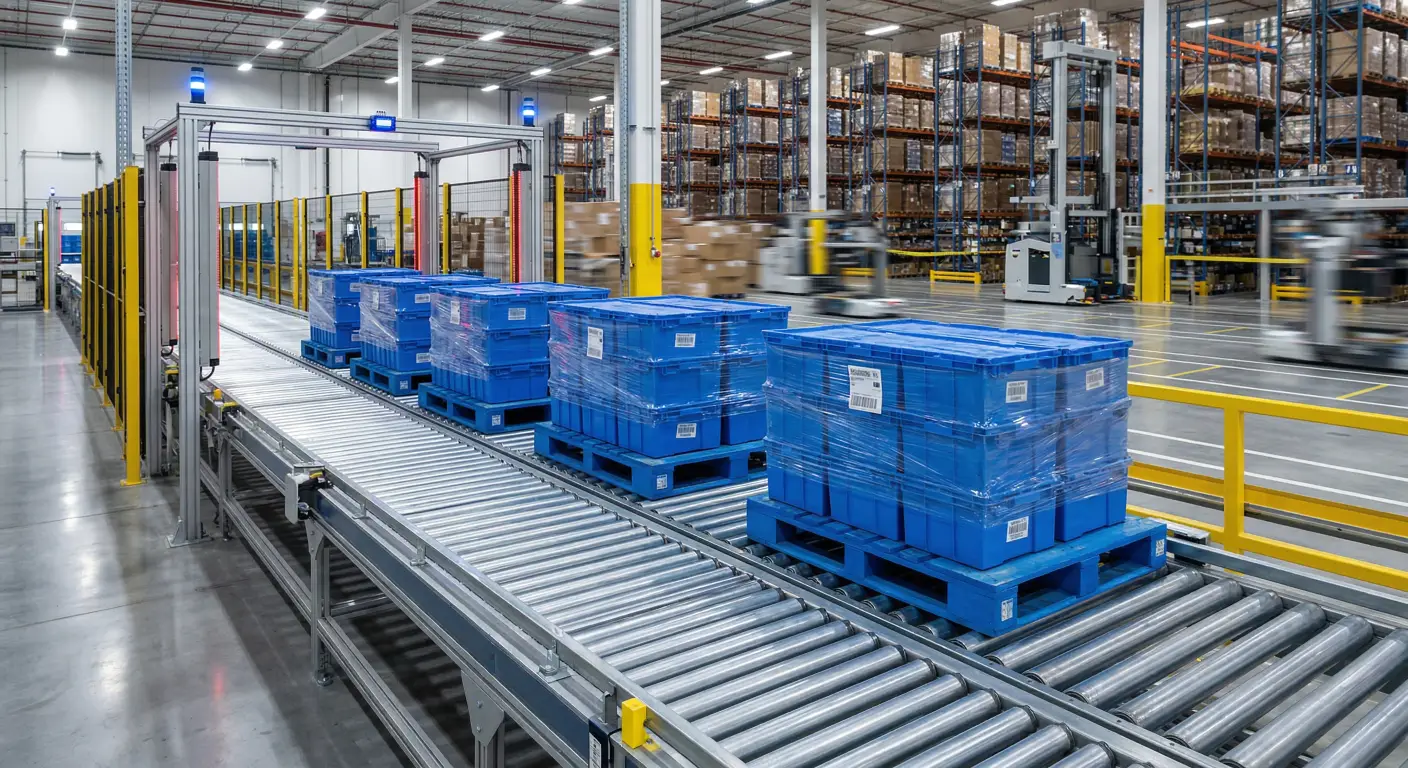
Custom Plastic Pallet Solutions: Enhancing Efficiency in Automated Retrieval Systems (ASRS)
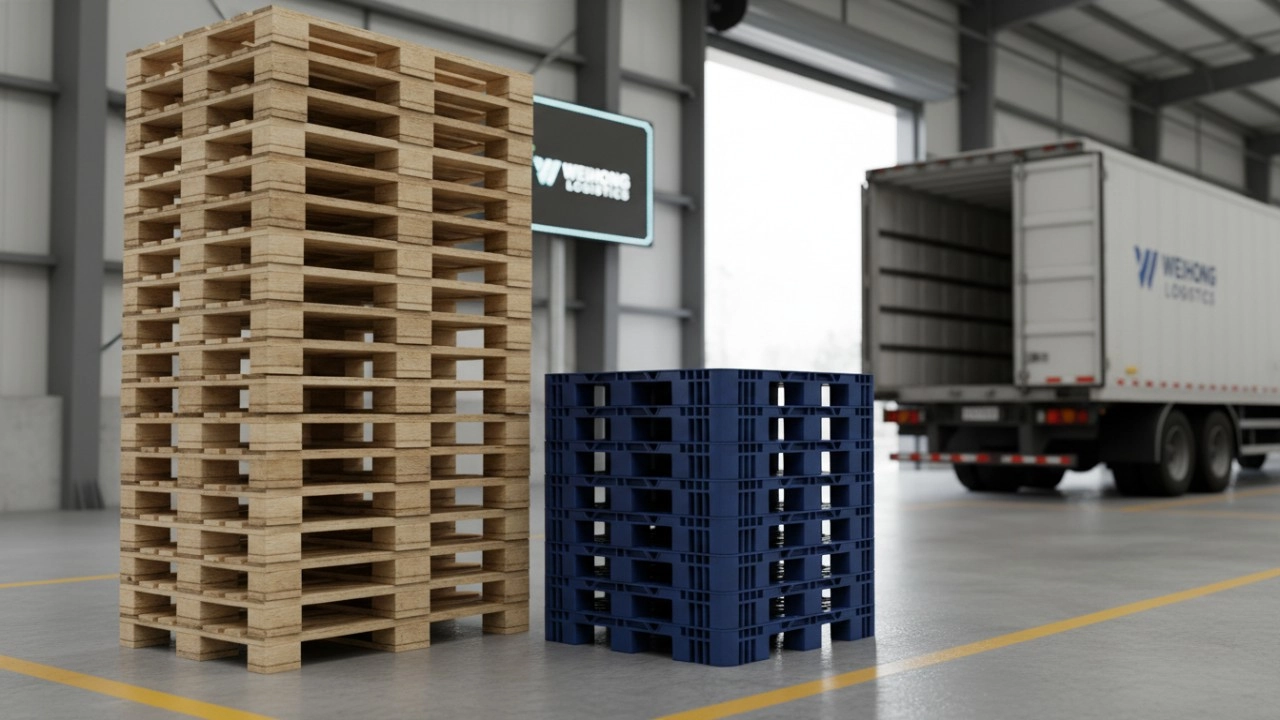
Understanding Maximum Pallet Weight: A Comprehensive Guide
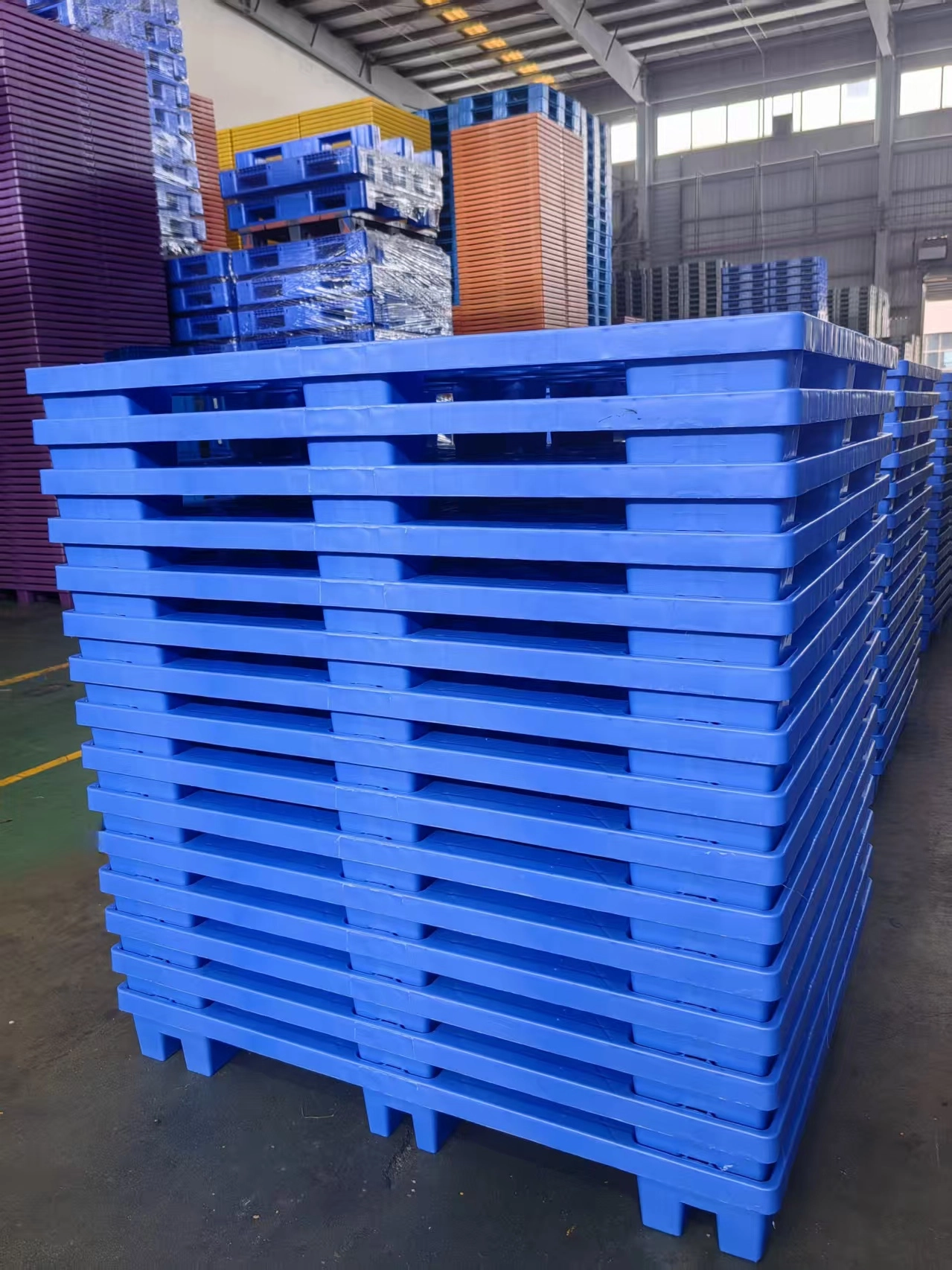
Are Plastic Pallets a Fire Hazard? Understanding the Risks and Mitigations
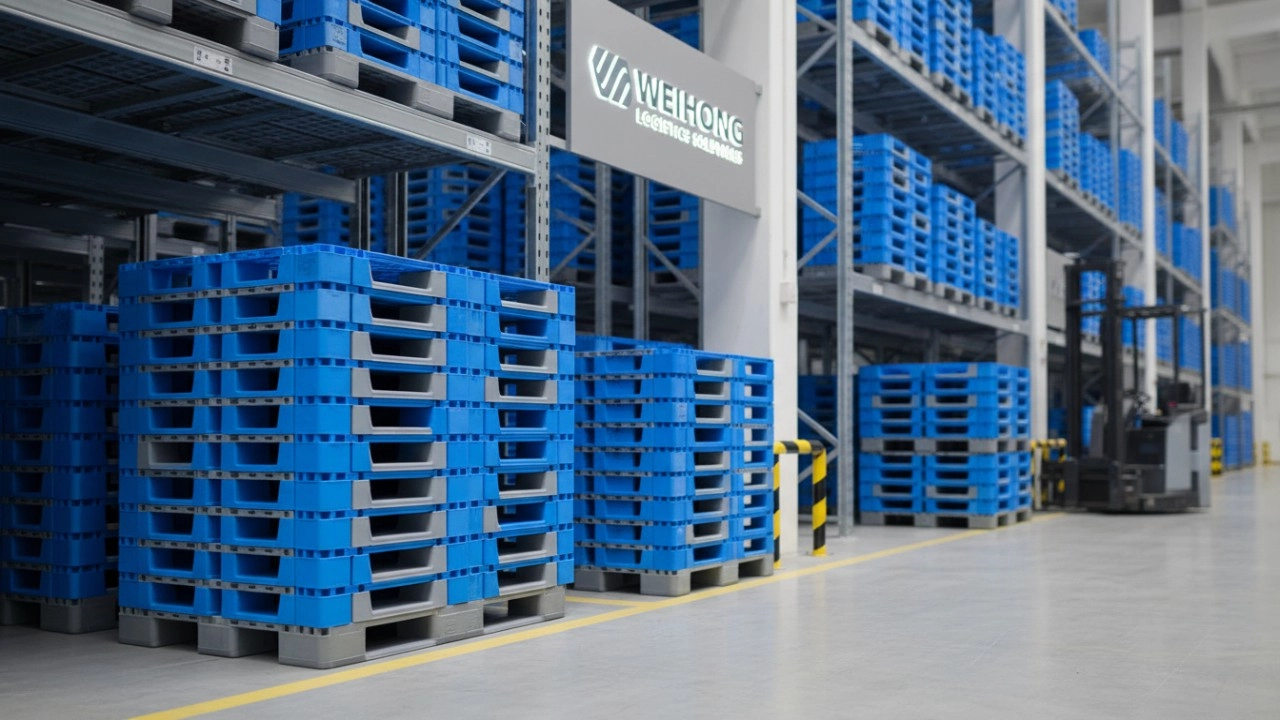
Why Your Warehouse Needs Nestable Plastic Pallets: The 2026 Sustainability Roadmap
After-Sales Service and Support
Who should I contact if quality issue is found when I receive the goods?
Please file complaint to the sales person you contacted for the order and your needs will be forwarded to our technical team for analysis.
What warranty do your plastic pallets and boxes come with?
Custom Private Labeling Services
Is OEM/ODM service available?
What customized service can you provide?
We provide mold design, logo printing (silk screen printing or embossing), customized color and formula for our plastic products.
Logistics and Payment
What payment terms do you accept?
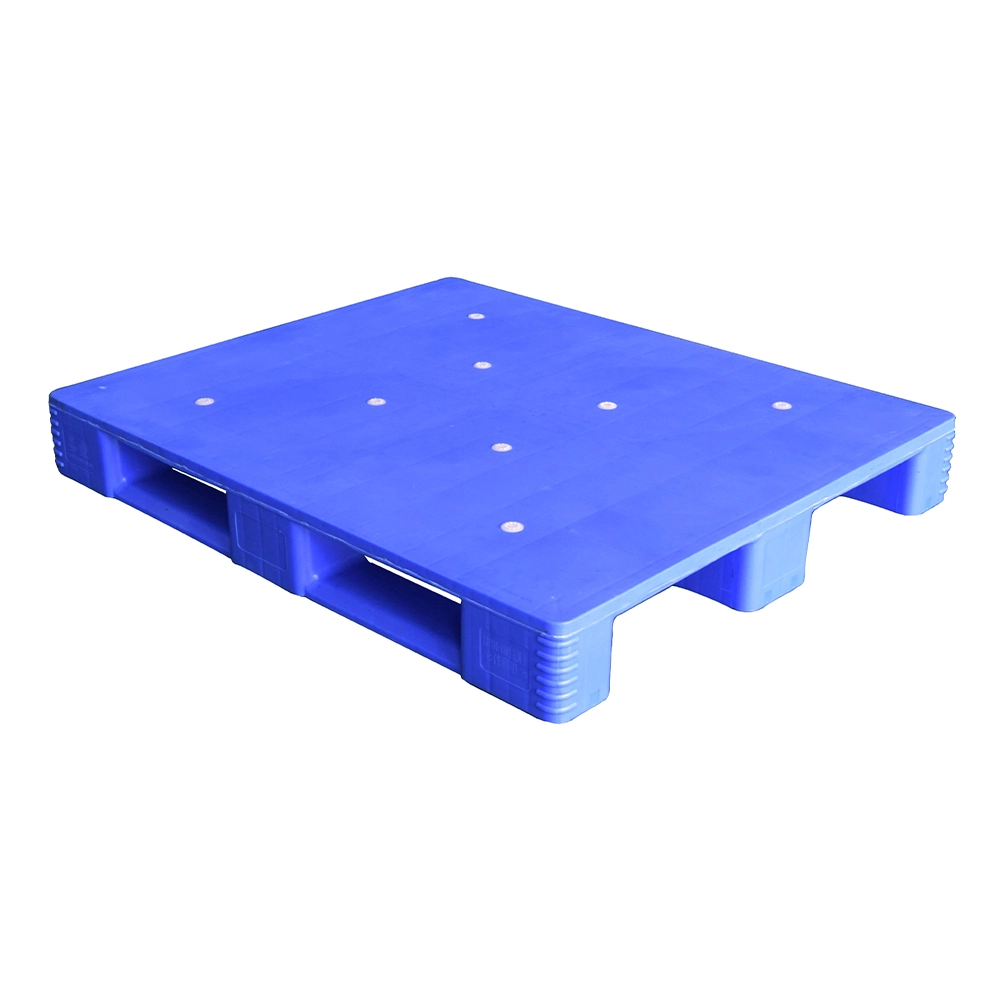
ZJ1210-150H Three-runner Closed Deck Hygienic Plastic Pallet
The three-runner closed-deck hygienic plastic pallet is a solid and durable packaging solution designed for general and especially food and medicine storage and transport. It’s made of virgin HDPE or PP, featuring a flat surface and even bottom for hygienic consideration, a reinforced configuration with steel cores for rack and shelf, and a steady loading capacity.
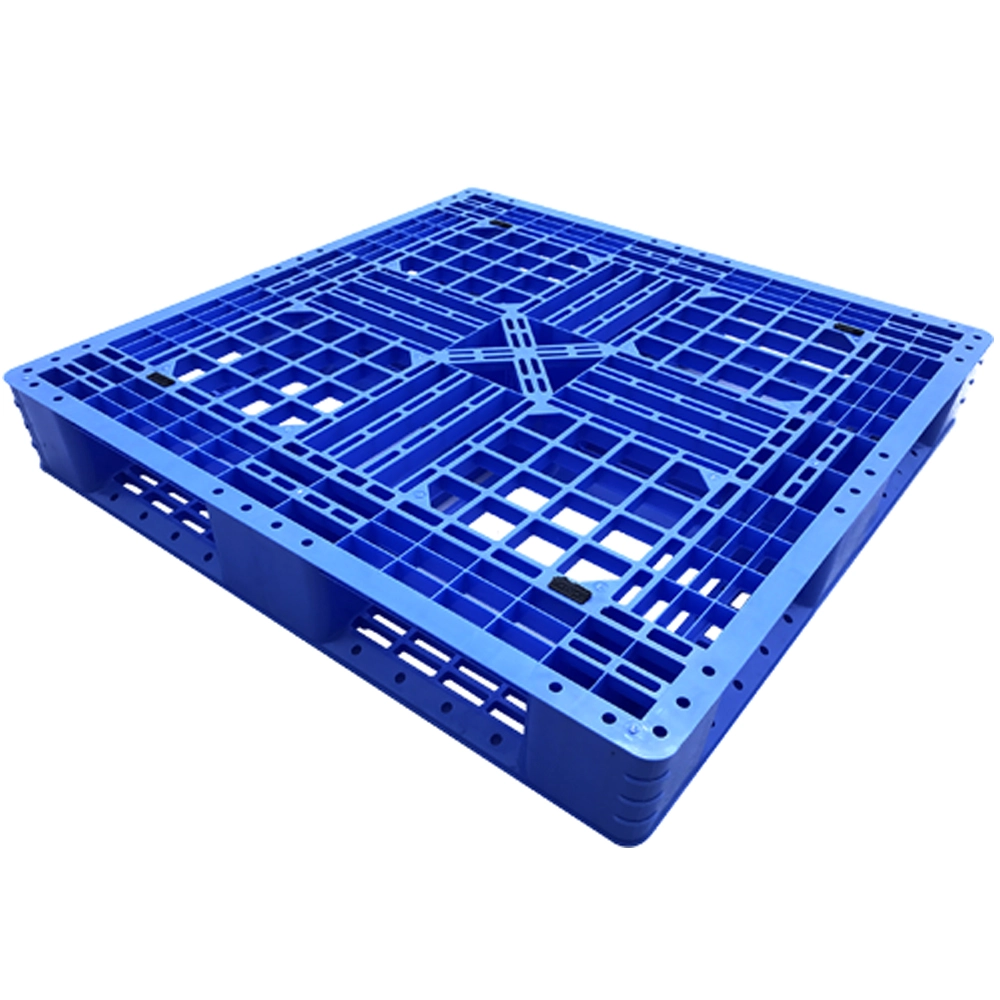
ZJ1010-150 Six-runner Single-sided Plastic Pallet
The six-runner plastic pallet, open or closed deck, is a solid and durable packaging solution designed for general and medium to heavy-duty cargo stacking, storage and transport. It’s made of virgin HDPE or PP, featuring in robust structure, a reinforced configuration with steel cores for the rack and shelf, and a steady loading capacity.
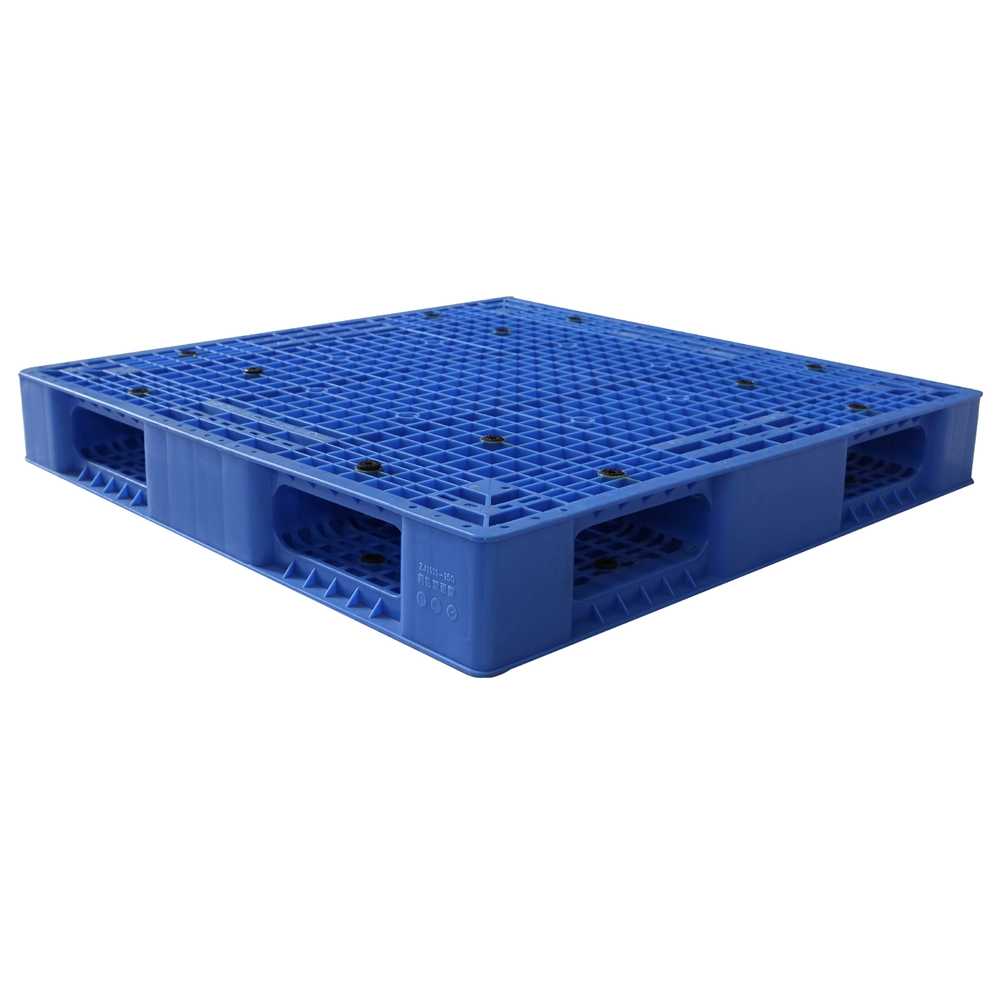
ZJ11111-150 Double-sided Heavy Duty Plastic Pallet
The double-sided plastic pallet, open deck or closed deck, is a solid and durable packaging solution designed for general and medium to heavy-duty cargo stacking, storage and transport. It’s made of virgin HDPE or PP, featuring a robust structure, a reinforced configuration with steel cores for the rack and shelf, and a steady loading capacity for both sides.
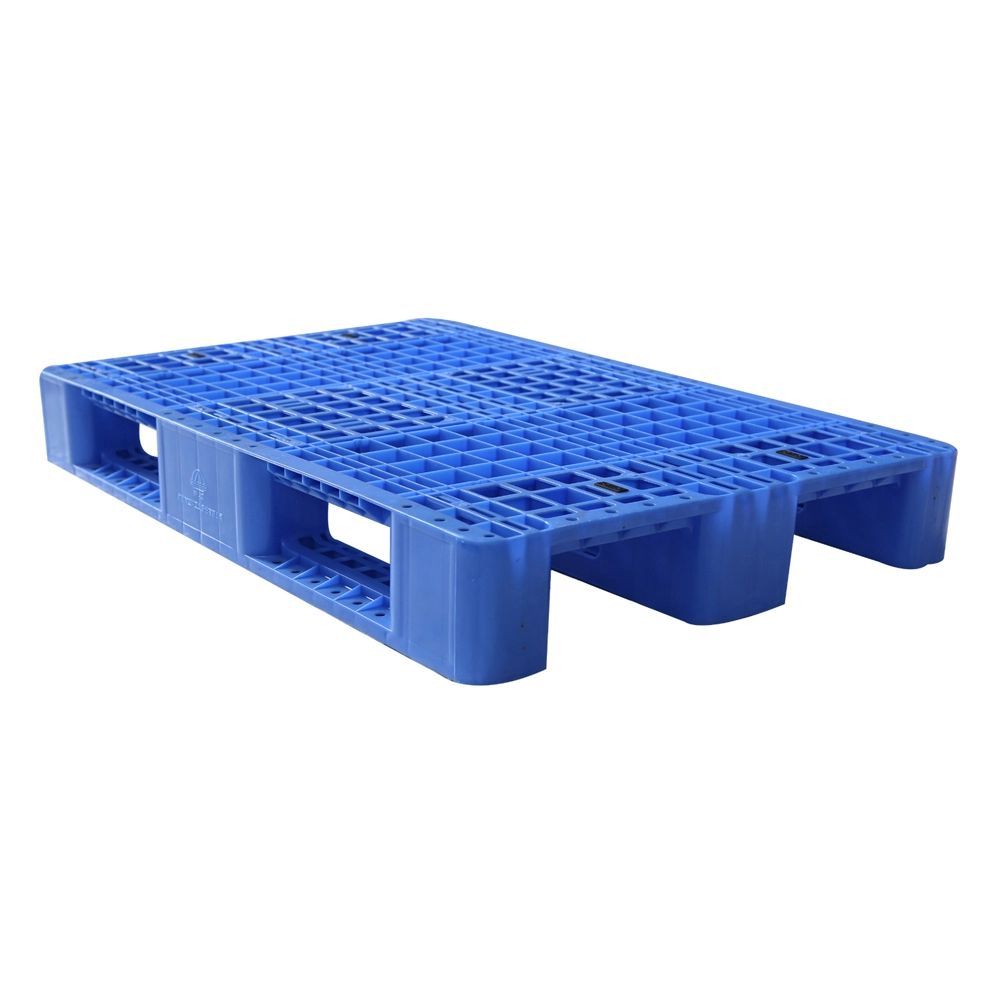
ZJ1208-155 Three-runner Single-sided Plastic Pallet
The three-runner single-sided plastic pallet is a solid and durable packaging solution designed for general and medium to heavy-duty cargo storage, transport and automated storage and retrieval system (AS/RS) use. It’s made of virgin HDPE or PP, featuring in robust structure, reinforced configuration with steel cores for rack and shelf, and a steady loading capacity.
Request More Information About Plastic Pallets
Have questions or need detailed insights on this article? Fill out the form below to contact our team for comprehensive information and support related to our plastic pallet solutions.
Contact us


+86 138 0277 8204
+86 183 4431 0917
+86 195 3791 1860

No. 15-1, Fengying Rd., Taiping Town, Conghua Dist., Guangzhou City, Guangdong Province, China.

Whatsapp: +8613802778204
Scan QR Code
Guangdong Weihong Plastic Technology Co., Ltd.
Weihong
Whatsapp: +8619537911860
Guangdong Weihong Plastics Technology Company Ltd.