











What are sanitary regulations for plastic pallets in pharma? | Insights by Weihong

- 1. What are the specific sanitary standards for plastic pallets used in pharmaceutical manufacturing?
- 2. How do plastic pallets compare to wooden pallets in terms of hygiene and contamination risks?
- 3. What are the cleaning and sterilization protocols for plastic pallets in pharmaceutical settings?
- 4. Are there specific color-coding systems for plastic pallets to prevent cross-contamination in pharmaceutical facilities?
- 5. How do plastic pallets contribute to compliance with Good Manufacturing Practices (GMP) in the pharmaceutical industry?
- 6. What are the environmental considerations when using plastic pallets in pharmaceutical operations?
1. What are the specific sanitary standards for plastic pallets used in pharmaceutical manufacturing?
In pharmaceutical manufacturing, plastic pallets must adhere to stringent sanitary standards to prevent contamination and ensure product safety. Key requirements include:
Material Composition: Pallets should be made from non-toxic, high-density polyethylene (HDPE) or polypropylene, which are resistant to moisture absorption and microbial growth.
Surface Characteristics: The surfaces must be smooth, non-porous, and free from crevices to facilitate thorough cleaning and prevent harboring of contaminants.
Design and Construction: Pallets should be designed without sharp edges or protrusions that could harbor dirt or bacteria.
Cleanability: They must withstand regular cleaning and sterilization processes, including heat sterilization, without degrading.
Compliance with Regulations: Pallets should meet industry standards such as Good Manufacturing Practices (GMP) and be FDA-compliant to ensure they do not introduce contaminants into the pharmaceutical products.
2. How do plastic pallets compare to wooden pallets in terms of hygiene and contamination risks?
Plastic pallets offer several advantages over wooden pallets concerning hygiene and contamination risks:
Non-Porous Surface: Unlike wood, plastic pallets have non-porous surfaces that do not absorb moisture, reducing the risk of bacterial and fungal growth.
Ease of Cleaning: Plastic pallets can be easily cleaned and sterilized, ensuring a higher level of sanitation.
Resistance to Chemical Contaminants: Plastic pallets are less likely to absorb harmful chemicals, preventing potential contamination of pharmaceutical products.
Durability: Plastic pallets are more durable and less prone to damage, which can lead to contamination risks associated with splinters or exposed nails in wooden pallets.
3. What are the cleaning and sterilization protocols for plastic pallets in pharmaceutical settings?
To maintain sanitary conditions, plastic pallets in pharmaceutical settings should undergo regular cleaning and sterilization processes:
Routine Cleaning: Pallets should be washed with appropriate detergents to remove visible dirt and residues.
Disinfection: After cleaning, pallets should be disinfected using approved chemical agents to eliminate microbial contaminants.
Heat Sterilization: Plastic pallets made from heat-resistant materials can be subjected to heat sterilization processes to ensure thorough decontamination.
Inspection: Regular inspections should be conducted to identify any signs of damage or contamination, ensuring that only pallets in good condition are used in the manufacturing process.
4. Are there specific color-coding systems for plastic pallets to prevent cross-contamination in pharmaceutical facilities?
Yes, implementing color-coding systems for plastic pallets is an effective strategy to prevent cross-contamination:
Designated Colors: Assign specific colors to pallets used in different areas or for different product types to prevent mix-ups.
Visual Identification: Color coding provides a quick visual cue, aiding in the proper handling and segregation of materials.
Compliance: This practice aligns with industry standards and enhances traceability within the supply chain.
5. How do plastic pallets contribute to compliance with Good Manufacturing Practices (GMP) in the pharmaceutical industry?
Plastic pallets play a significant role in GMP compliance by:
Maintaining Sanitary Conditions: Their non-porous and smooth surfaces facilitate easy cleaning and sterilization, ensuring a hygienic environment.
Preventing Contamination: The resistance to moisture absorption and microbial growth reduces the risk of contaminating pharmaceutical products.
Ensuring Durability: Plastic pallets are durable and less prone to damage, maintaining their structural integrity and preventing contamination risks associated with damaged pallets.
Supporting Traceability: Color-coding and tracking features on plastic pallets enhance product traceability, a key component of GMP.
6. What are the environmental considerations when using plastic pallets in pharmaceutical operations?
When using plastic pallets in pharmaceutical operations, environmental considerations include:
Material Selection: Opting for pallets made from recyclable materials can reduce environmental impact.
Durability and Longevity: The long lifespan of plastic pallets reduces the frequency of replacements, minimizing waste.
End-of-Life Disposal: Establishing proper recycling or disposal methods for plastic pallets ensures compliance with environmental regulations.
Sustainability Initiatives: Some manufacturers offer pallets made from recycled materials, supporting sustainability efforts within the pharmaceutical industry.
In conclusion, adhering to sanitary regulations for plastic pallets in the pharmaceutical industry is crucial for maintaining product integrity and compliance with industry standards. By selecting appropriate materials, implementing effective cleaning protocols, and considering environmental impacts, pharmaceutical companies can ensure the safe and efficient handling of their products.
For a comprehensive solution tailored to your pharmaceutical operations, contact us at or visit our website at (http://www.pearlriverplastics.com).
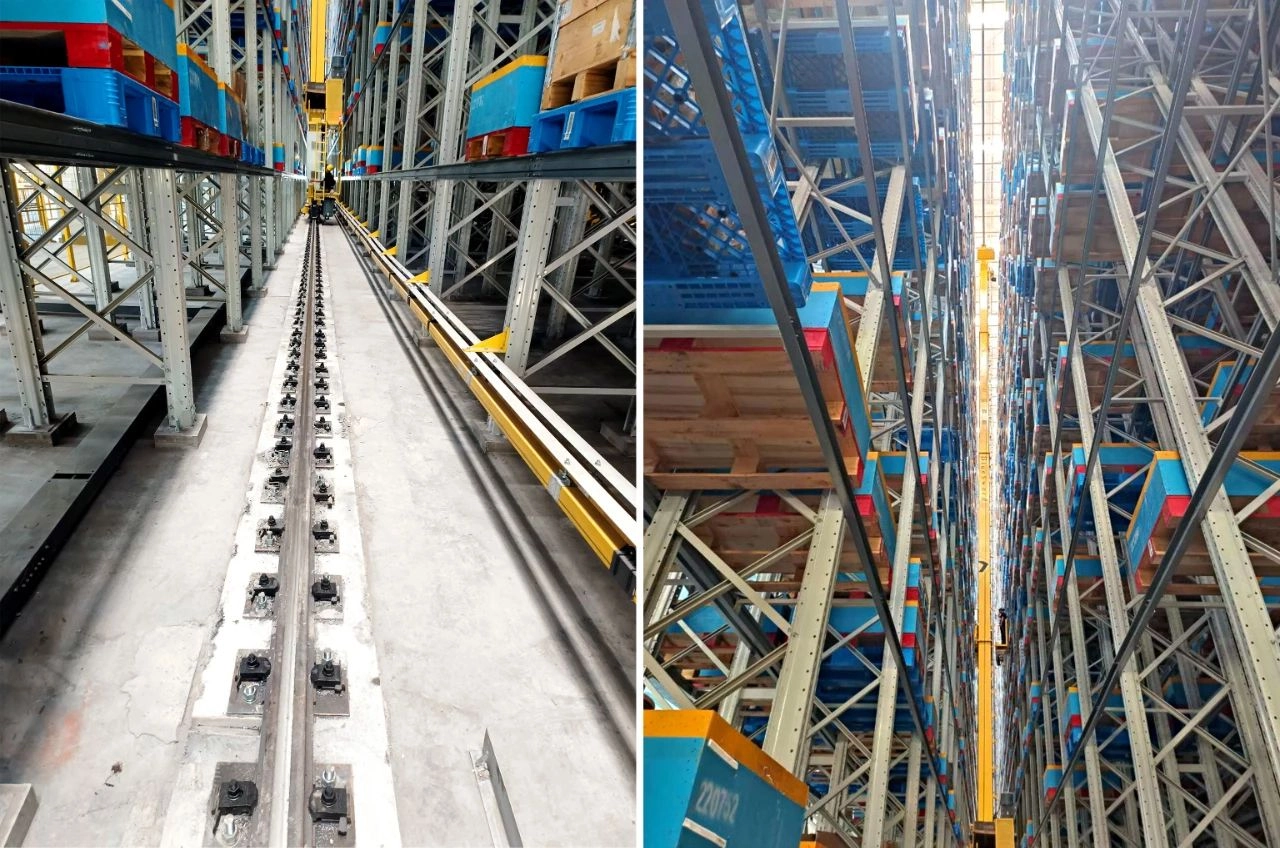
For automated storage and retrieval systems (AS/RS), plastic pallets reinforced with steel pipes are mandatory; they are essentially unusable without
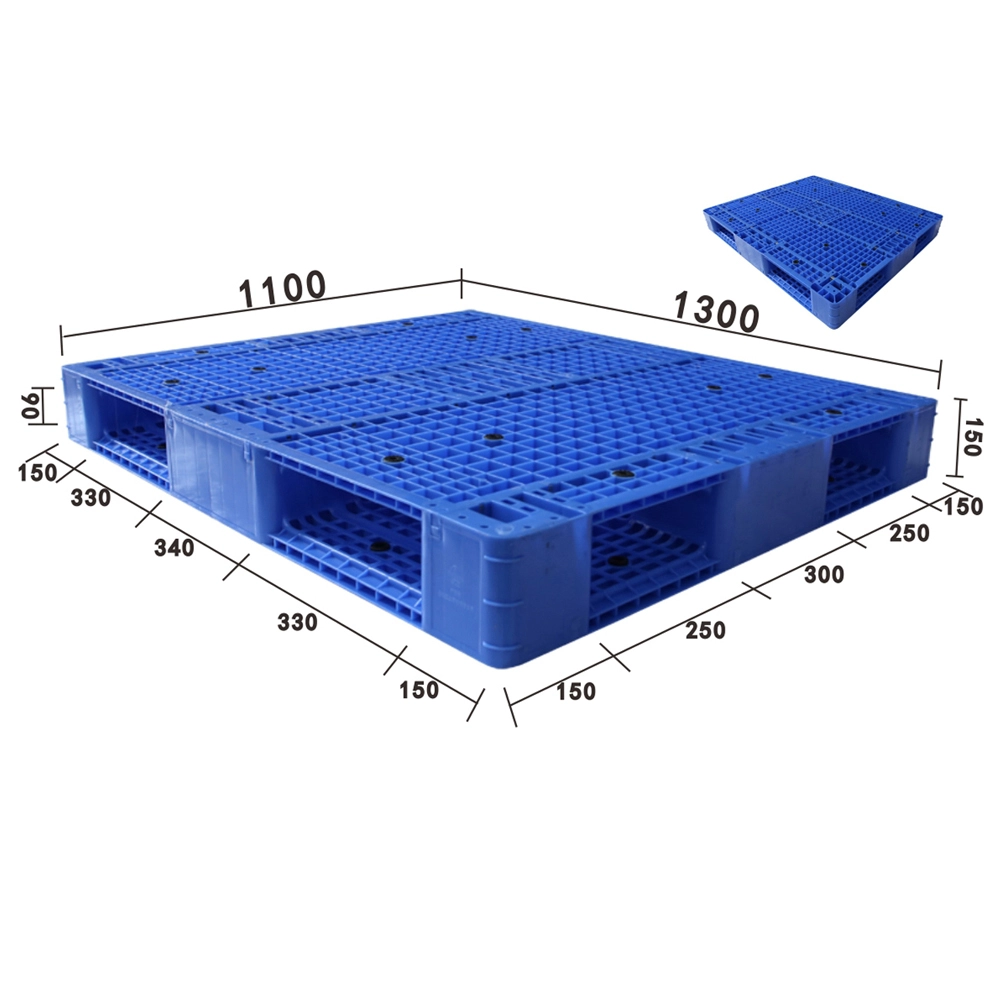
Which types of plastic pallets—nine-legged, three-runners, six-runners, and double-sided—are suitable for racking, and which are not?
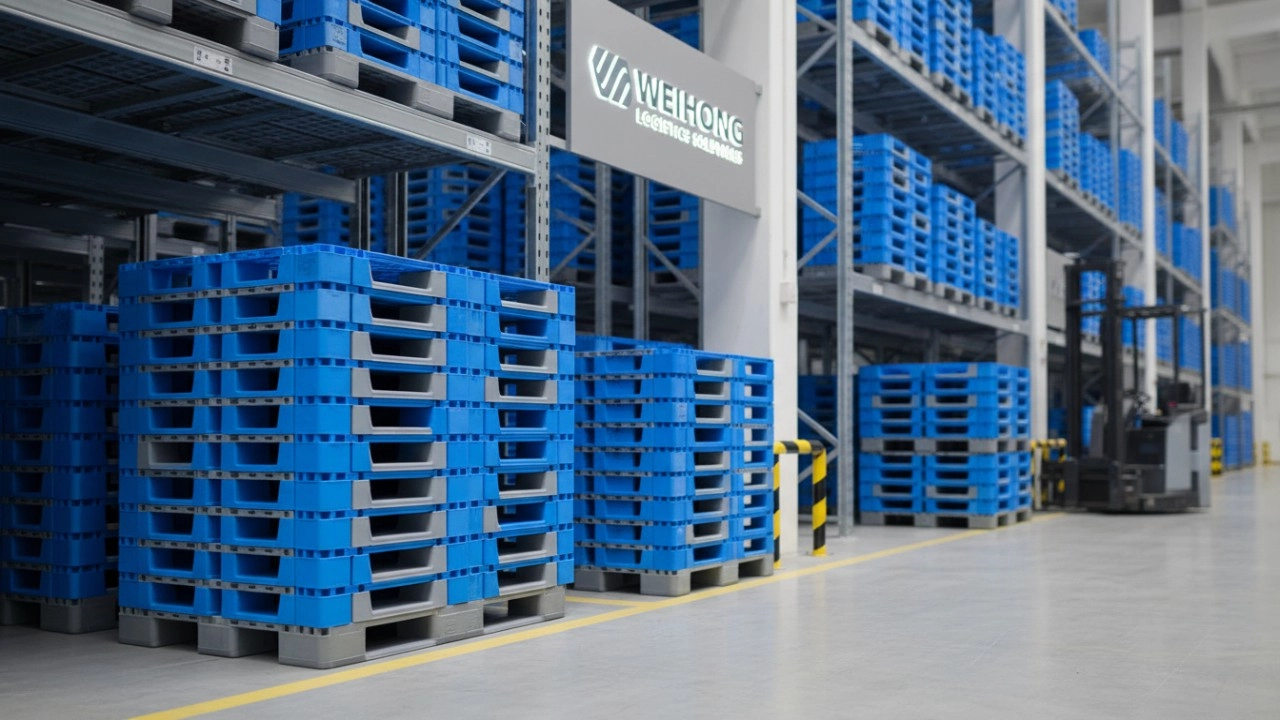
Why Your Warehouse Needs Nestable Plastic Pallets: The 2026 Sustainability Roadmap
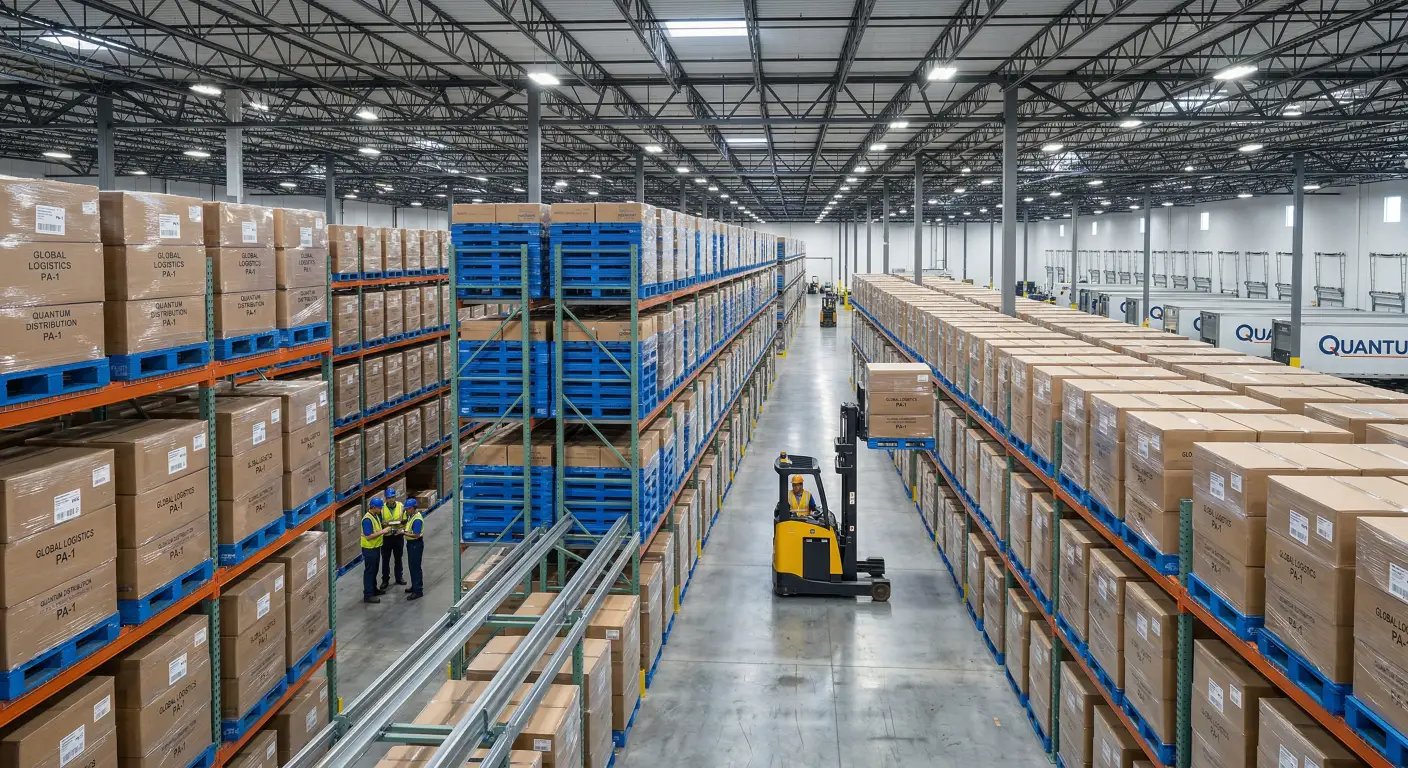
Guide to Selecting Plastic Pallets for Automated Storage and Retrieval Systems (ASRS) in the Food Industry
Logistics and Payment
How long does it take to ship to my country?
Average shipping time ranges from 7 days to 35 days. We will calculate for you when port of destination is confirmed.
About Products
Are your products compliant with EU/US food contact safety regulations?
Even though our plastic pallets or boxes are not food contact direct material, we adhere to the relative laws and regulations to use non-toxic raw material for our products.
What materials are your prodcuts made of?
Custom Private Labeling Services
How long does it take to produce if I give you my design of pallet.
Mold producttion takes about 2 months from production to adjustment. Hence we recommend you to plan ahead of time.
After-Sales Service and Support
What warranty do your plastic pallets and boxes come with?

ZJ1210-150H Three-runner Closed Deck Hygienic Plastic Pallet
The three-runner closed-deck hygienic plastic pallet is a solid and durable packaging solution designed for general and especially food and medicine storage and transport. It’s made of virgin HDPE or PP, featuring a flat surface and even bottom for hygienic consideration, a reinforced configuration with steel cores for rack and shelf, and a steady loading capacity.
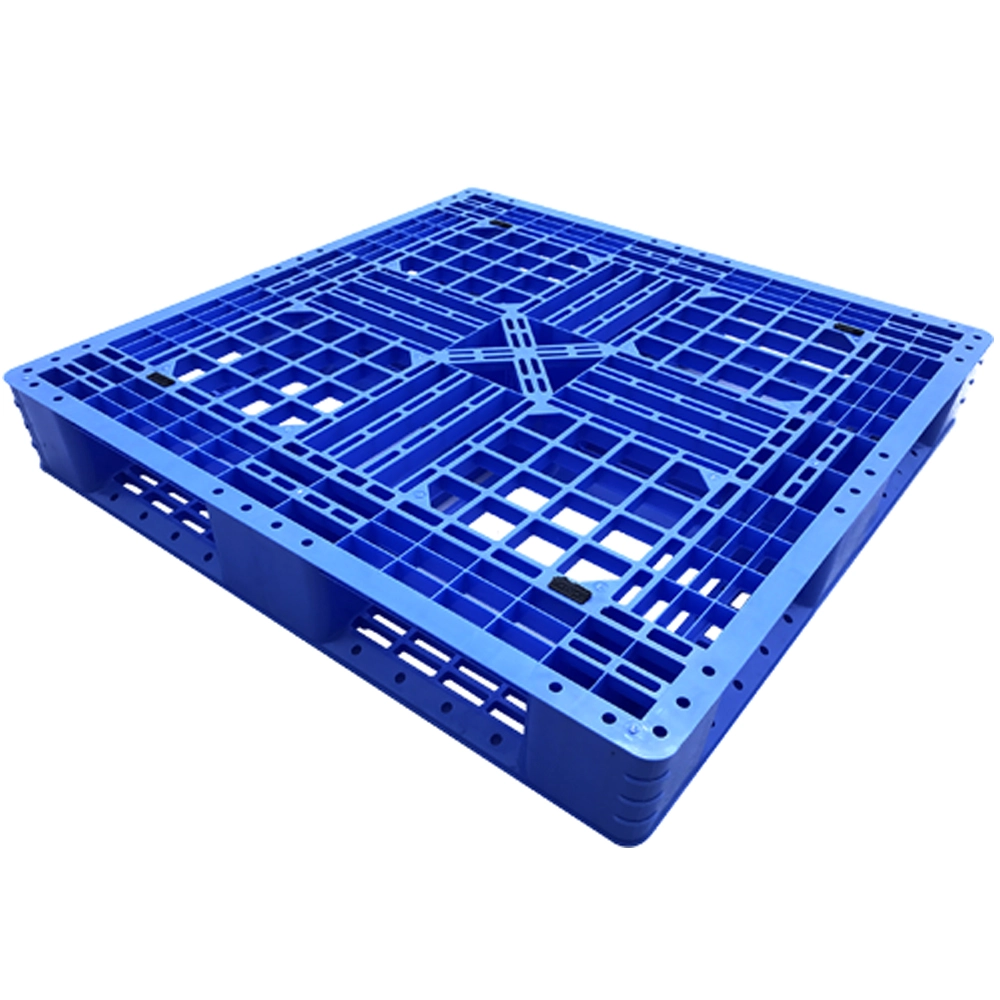
ZJ1010-150 Six-runner Single-sided Plastic Pallet
The six-runner plastic pallet, open or closed deck, is a solid and durable packaging solution designed for general and medium to heavy-duty cargo stacking, storage and transport. It’s made of virgin HDPE or PP, featuring in robust structure, a reinforced configuration with steel cores for the rack and shelf, and a steady loading capacity.
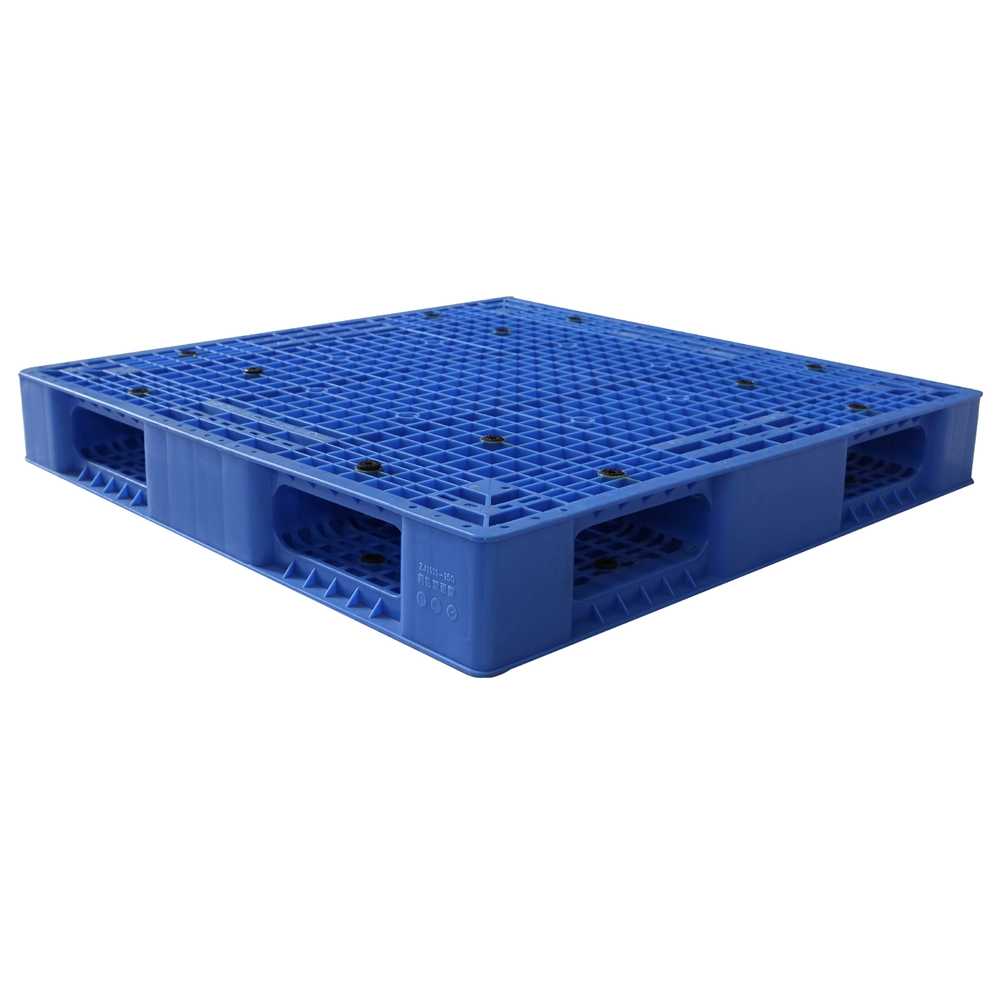
ZJ11111-150 Double-sided Heavy Duty Plastic Pallet
The double-sided plastic pallet, open deck or closed deck, is a solid and durable packaging solution designed for general and medium to heavy-duty cargo stacking, storage and transport. It’s made of virgin HDPE or PP, featuring a robust structure, a reinforced configuration with steel cores for the rack and shelf, and a steady loading capacity for both sides.

ZJ1208-155 Three-runner Single-sided Plastic Pallet
The three-runner single-sided plastic pallet is a solid and durable packaging solution designed for general and medium to heavy-duty cargo storage, transport and automated storage and retrieval system (AS/RS) use. It’s made of virgin HDPE or PP, featuring in robust structure, reinforced configuration with steel cores for rack and shelf, and a steady loading capacity.
Request More Information About Plastic Pallets
Have questions or need detailed insights on this article? Fill out the form below to contact our team for comprehensive information and support related to our plastic pallet solutions.
Contact us


+86 138 0277 8204
+86 183 4431 0917
+86 195 3791 1860

No. 15-1, Fengying Rd., Taiping Town, Conghua Dist., Guangzhou City, Guangdong Province, China.
 Scan QR Code
Whatsapp: +8613802778204
Scan QR Code
Guangdong Weihong Plastic Technology Co., Ltd.
Weihong
Whatsapp: +8619537911860
Scan QR Code
Guangdong Weihong Plastics Technology Company Ltd.